
 |
|
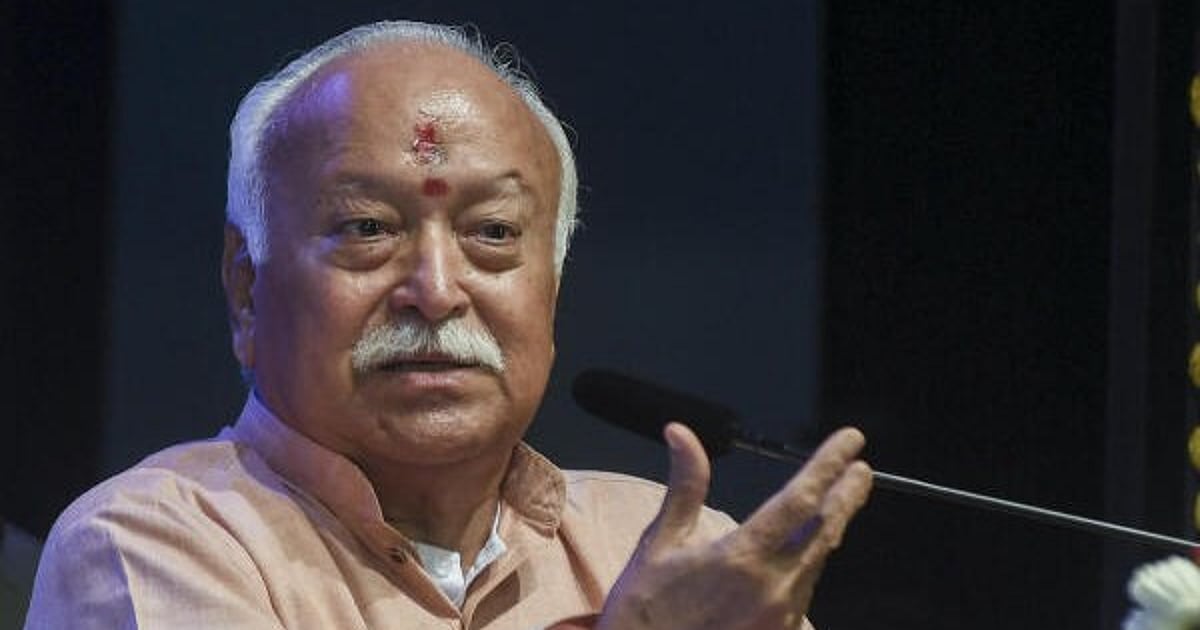
Mohan Bhagwat's recent statement regarding population decline and its potential implications for India has ignited a heated debate within the nation's political landscape. His remarks, delivered at an event in Nagpur, highlighted the crucial role of family structures and the potential societal consequences of a fertility rate dropping below the replacement level of 2.1. Bhagwat's warning, rooted in population science, has triggered a complex discussion that intersects with various socio-economic factors, including employment, resource allocation, and national security. The assertion that a sub-replacement fertility rate could lead to societal 'extinction' is a bold one, and its interpretation has been widely contested.
The opposition parties have seized on Bhagwat's comments, framing them within a broader critique of the ruling Bharatiya Janata Party (BJP)'s economic policies and alleged lack of attention to the concerns of the Indian populace. They argue that the focus on population control overshadows more pressing issues, such as widespread unemployment, particularly among youth. Opposition MPs contend that the government should prioritize job creation and economic growth to address the root causes of demographic shifts, rather than emphasizing population numbers. They argue that focusing solely on population numbers ignores the underlying economic and social insecurities driving lower birth rates.
Conversely, BJP MPs have defended Bhagwat's statement, asserting that it reflects a legitimate concern about the long-term sustainability and national security of India. They argue that a declining population could have far-reaching consequences, impacting India's demographic dividend, military strength, and global standing. Furthermore, some BJP members frame the issue within a broader cultural context, emphasizing the importance of maintaining strong family structures and traditional values. The debate, therefore, is not simply about numbers; it reflects differing perspectives on the relationship between population, economic development, national security, and cultural identity.
The divergence in viewpoints underscores the complex interplay between political messaging, demographic realities, and socio-economic factors. The opposition's emphasis on unemployment and economic opportunity reflects the widespread concerns among the Indian populace regarding job prospects and livelihoods. The BJP's focus on national security and cultural preservation reflects a different set of priorities, underscoring the inherent tensions between immediate economic needs and long-term national interests. This debate highlights the challenges facing India as it navigates its demographic transition, requiring a balanced approach that addresses both immediate economic concerns and the long-term implications of population trends.
A critical aspect of this debate is the need for nuanced discussion and data-driven analysis. While population decline is a legitimate concern, alarmist rhetoric can overshadow the need for evidence-based policies. The discussion should move beyond simplistic pronouncements and engage with the complex interplay of factors influencing fertility rates, including access to education, healthcare, and economic opportunities, especially for women. Moreover, the debate needs to avoid simplistic generalizations, recognizing the diversity of demographic trends across different regions and social groups within India.
Ultimately, addressing India's demographic challenges requires a comprehensive strategy that tackles the interconnected issues of economic growth, social welfare, and population dynamics. Focusing solely on population control without addressing the underlying socio-economic factors that contribute to lower fertility rates would be an incomplete and potentially counterproductive approach. A robust and inclusive approach requires investment in education, healthcare, and job creation, especially for women, creating an environment where individuals feel empowered to make informed choices about family planning. The ongoing debate, while politically charged, underscores the urgency for a balanced and data-driven policy response to ensure India's future prosperity and security.
The long-term implications of India's demographic trajectory require careful consideration. A declining population could affect the country's workforce, economic growth, and social welfare systems. However, solely focusing on increasing population numbers without addressing the root causes of low fertility rates could exacerbate existing inequalities and social problems. A holistic approach is necessary, encompassing investments in education, healthcare, and economic opportunities, particularly for women, to create a supportive environment for family planning and sustainable development.
In conclusion, Mohan Bhagwat's comments have sparked a crucial national conversation about India's demographic future. While the debate is heavily politicized, it highlights the need for a comprehensive strategy that addresses both short-term economic concerns and long-term demographic trends. The path forward necessitates a balanced approach combining economic development, social welfare, and informed family planning policies that empower individuals and contribute to a prosperous and secure future for India.
Source: National interest vs lack of jobs: Oppn, BJP MPs debate Mohan Bhagwat's population remarks