
 |
|
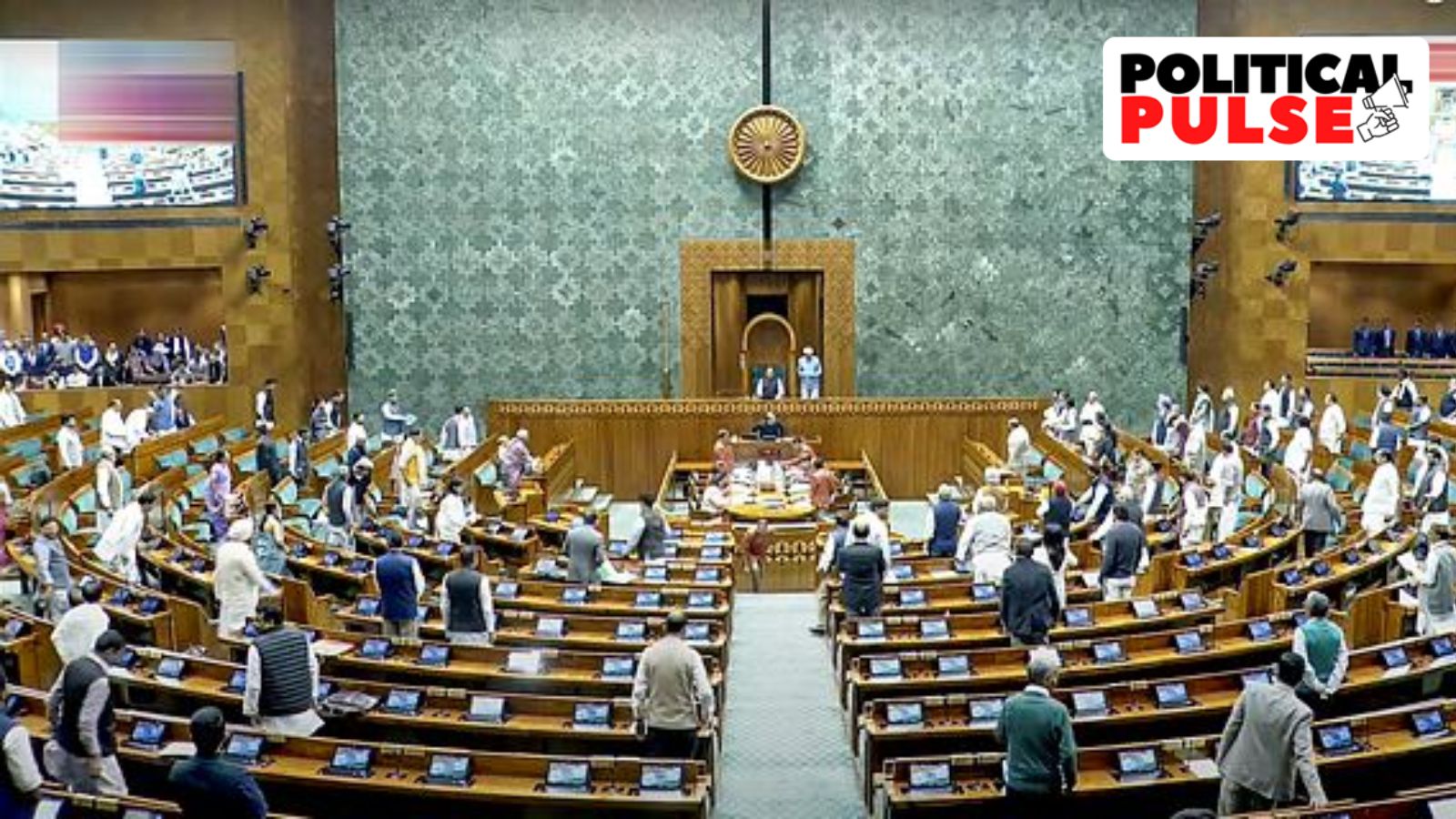
The Indian Parliament, previously embroiled in a week-long stalemate, has finally resumed its normal functioning following a significant agreement between the ruling government and the opposition parties. This breakthrough, achieved through negotiations and internal pressure within the opposition ranks, culminated in the scheduling of a special debate on the Constitution, marking the 75th anniversary of its adoption. The agreement signals a temporary respite from the political tensions that had paralyzed both the Lok Sabha and the Rajya Sabha for nearly a week. The primary catalysts for the initial deadlock were multiple contentious issues: the Adani Group's indictment in the US on bribery allegations, the violence in Sambhal, and the ongoing unrest in Manipur. These issues sparked heated debates and protests, leading to repeated disruptions and adjournments of parliamentary proceedings. The Congress party, a key opposition player, played a crucial role in the impasse, initially insisting on a comprehensive discussion of the Adani controversy, a demand the government initially resisted.
The turning point in the deadlock arrived after internal pressures mounted within the Congress and the broader INDIA bloc, an opposition alliance. Reports suggest a growing unease among several Congress MPs regarding the effectiveness of their strategy of continuously obstructing parliamentary proceedings. There was a discernible sentiment that the prolonged protests were not furthering their political objectives and, in fact, might be counterproductive. This internal pressure, combined with similar concerns voiced by some Left parties within the INDIA bloc, led to a crucial shift in the opposition's approach. The Left parties, while maintaining their solidarity with the INDIA bloc, advocated for a reevaluation of the protest strategy, suggesting that a more constructive approach might yield better results. The meetings within the Congress and the INDIA bloc, including a meeting attended by the Leader of the Opposition (LoP) in the Lok Sabha, Rahul Gandhi, were instrumental in this crucial decision.
The subsequent decision to seek a discussion on the Constitution represented a tactical shift by the opposition. By focusing on the widely celebrated 75th anniversary of the Constitution's adoption, the opposition managed to secure a concession from the government, which had also previously expressed its support for such a discussion. This seemingly less controversial topic allowed for a compromise, easing tensions and paving the way for the resumption of normal parliamentary functions. The agreement reached at a meeting convened by Lok Sabha Speaker Om Birla included specific dates for the Constitution debate: December 13-14 for the Lok Sabha and December 16-17 for the Rajya Sabha. Parliamentary Affairs Minister Kiren Rijiju expressed optimism about the smooth functioning of both houses following the agreement. While the opposition initially focused on issues like the Adani case, Sambhal violence and Manipur unrest, the shift to the Constitution debate demonstrates a calculated compromise to keep parliamentary business moving forward.
Despite the breakthrough, undercurrents of tension persist. While the official narrative emphasizes consensus, contrasting statements from both sides highlight lingering disagreements. While the BJP claimed they had already requested a Constitution debate, the Congress accused the government of intentionally stalling parliamentary proceedings and avoiding crucial discussions on the Adani row, Manipur, Sambhal, and other issues. Congress general secretary Jairam Ramesh accused the government of being unwilling to engage with the opposition's concerns. The Congress, despite the compromise, maintains the significance of these other pressing issues, highlighting the potential for future disagreements. The differences in priorities among opposition parties, particularly between the Congress and the Trinamool Congress (TMC), further complicate the political landscape. The TMC, for example, reportedly prioritized other issues, like unemployment and alleged discrimination against opposition-ruled states in fund allocations, indicating a potential for future disagreements and challenges to maintaining unity within the opposition.
The agreement on the Constitution debate serves as a temporary bridge, resolving the immediate parliamentary deadlock. However, the underlying political tensions remain, with the potential for future clashes depending on the government's willingness to engage with the opposition's concerns on issues like the Adani case and the situation in Manipur. The success of this compromise will depend not only on the conduct of the Constitution debate but also on future dialogues and compromises between the government and the opposition parties. The next few weeks of parliamentary proceedings will be critical in gauging the long-term impact of this negotiated settlement and whether it can provide a sustainable model for navigating future political conflicts in the Indian Parliament. The resolution, however temporary, demonstrates the delicate balance of power and the intricate negotiations required to ensure the smooth functioning of India's democratic institutions. The case highlights the ongoing power struggle in Indian politics and the strategic maneuvering of both the ruling party and the opposition coalition.
Source: Parliament deadlock ends as Govt, Opp reach consensus on Constitution debate