
 |
|
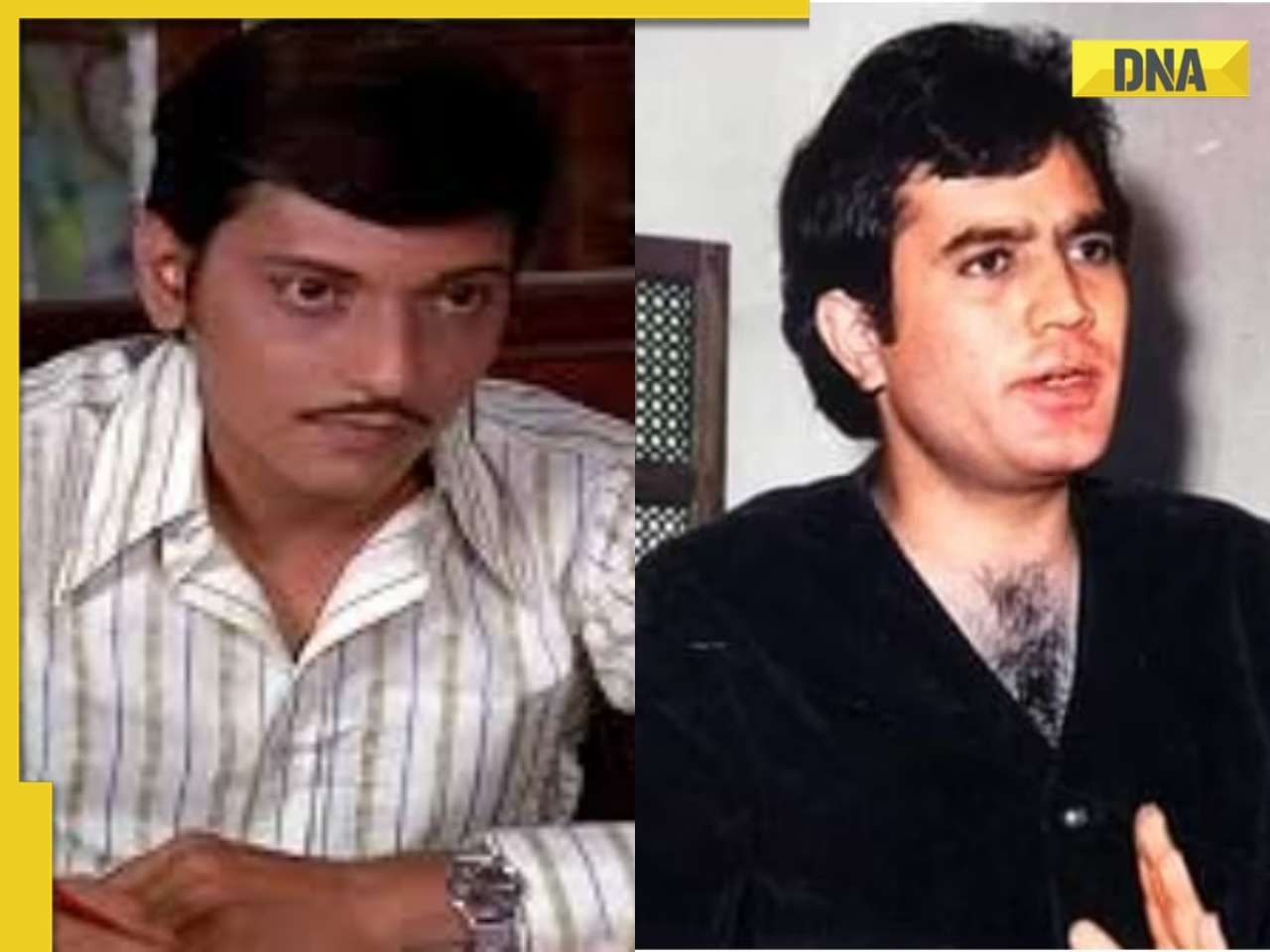
The recent interview with Amol Palekar reveals a darker side to the legendary Bollywood superstar Rajesh Khanna. While Khanna's charismatic screen presence captivated audiences for years, Palekar's account paints a picture of a man whose insecurities, possibly exacerbated by a career decline, manifested as unprofessional and belittling behavior towards his colleagues. Palekar's description of an incident where Khanna felt the need to assert his superiority even when Palekar had no lines underscores the depth of this alleged behavior. This wasn't an isolated incident, as Palekar's comments indicate that this pattern of conduct was repeated, suggesting a deeper seated issue than merely a one-off moment of unprofessionalism. The significance of Palekar's testimony lies not only in exposing a potentially uncomfortable truth about a beloved star, but also in providing a valuable insight into the dynamics of power and insecurity within the Bollywood film industry. Palekar's own reaction, a firm resolve to never replicate such conduct, highlights the damaging impact such actions can have on co-workers and the work environment. It also serves as a stark reminder that even iconic figures are susceptible to flaws and vulnerabilities, and the importance of maintaining respectful working relationships irrespective of fame or stature.
The timing of Palekar's revelations is also noteworthy. While Khanna is no longer alive to defend himself, the interview serves as a cautionary tale. It speaks to a broader issue within entertainment industries where the immense pressure of fame and the rapid ascent and equally swift decline of careers can lead to unpredictable behavior. Palekar's use of the term 'cannibal' to describe such actors illuminates the destructive nature of this behavior. It suggests a predatory attitude where one's own success is built upon undermining and belittling others. This 'cannibalistic' approach isn't just about the individual act of belittling a co-star, but rather a systemic problem within a competitive environment where maintaining a position at the top requires a constant assertion of dominance and the suppression of others. The interview prompts a reflection on the often-glorified image of stardom and the human cost associated with its pursuit.
The fact that Palekar wasn't alone in his observations regarding Khanna's alleged behavior further reinforces the credibility of his account. The numerous accounts, while anecdotal, collectively paint a more complete and disturbing picture than any singular instance. This suggests that Khanna's behavior, far from being a rare occurrence, was possibly a recurring pattern. Palekar's refusal to remain silent and his decision to share his experience are significant, especially given the potential for professional ramifications within the close-knit world of Bollywood. His actions encourage a conversation about the responsibility of those in positions of power and influence to maintain professional conduct and ethical behavior. It's a reminder that success should never be achieved at the expense of others' dignity and respect. The legacy of a superstar is ultimately defined not only by their accomplishments but also by their conduct and how they treated those around them. Palekar's narrative offers a necessary counterpoint to the often idealized portrayal of stardom, forcing a re-evaluation of the narratives surrounding Khanna and the industry at large.
Beyond the specific case of Rajesh Khanna, Palekar's comments raise broader concerns about the culture of competition and professional conduct within the film industry. The pressures to maintain a successful career and the pursuit of fame can often lead to intense rivalry and unhealthy behavior. The interview serves as a reminder that behind the glamorous facade of Bollywood lies a complex web of human relationships, ambition, and professional pressures. Palekar's story underscores the importance of fostering a healthier work environment within the industry, where respect and professionalism are valued above all else. This isn't solely about condemning past actions, but also about creating a future where such behaviour is not tolerated, and individuals feel safe and supported in their working environment. In conclusion, Amol Palekar’s account isn’t just a recollection of a past interaction; it’s a catalyst for a much-needed dialogue about the culture and ethics of the film industry and a powerful testament to the importance of integrity and respect in any profession, particularly one as demanding and high-profile as Bollywood.
Source: Amol Palekar has THIS to say about superstar Rajesh Khanna’s arrogance: 'He felt need to show...'