
 |
|
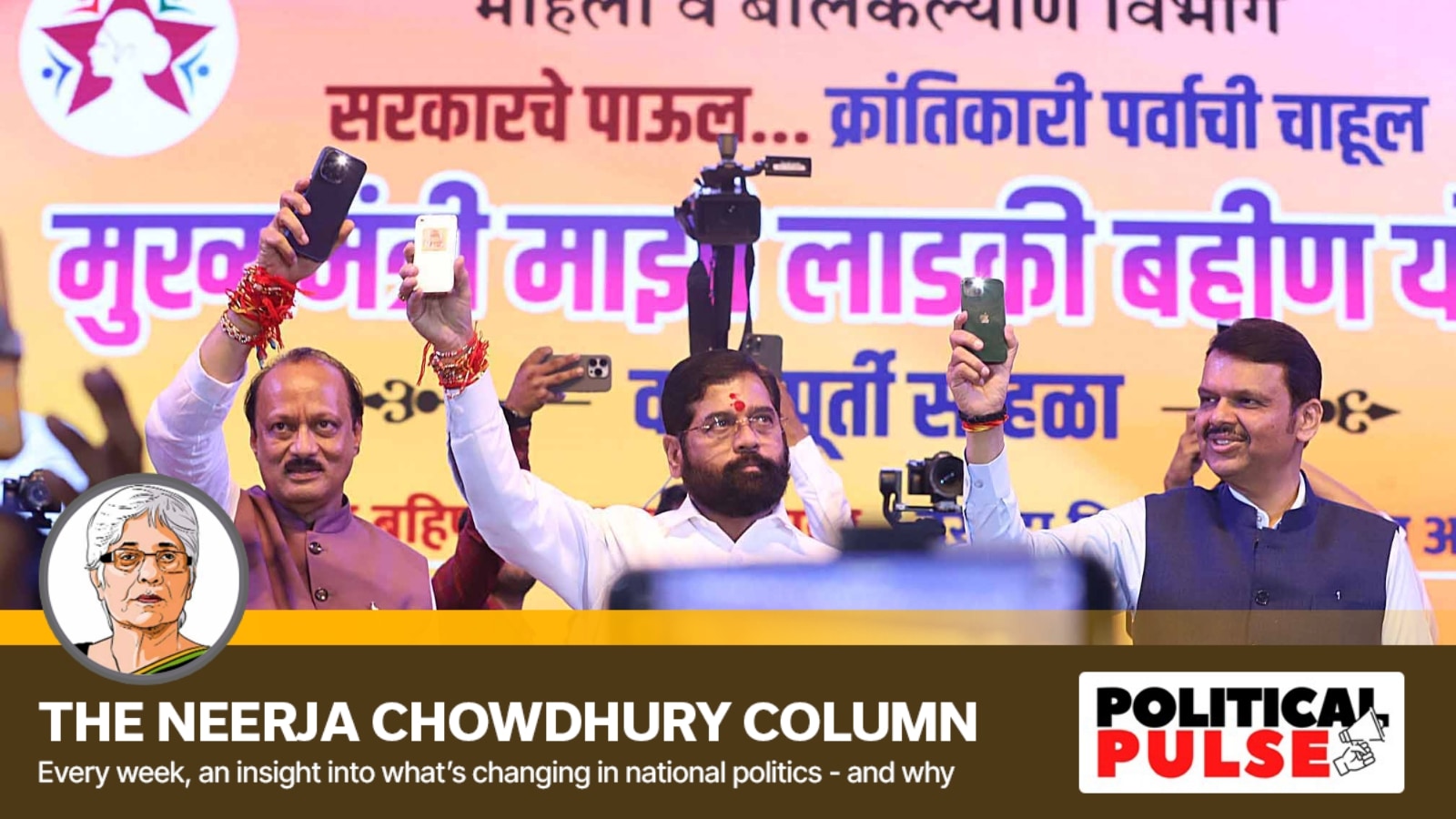
The recent Maharashtra Assembly elections resulted in a landslide victory for the Mahayuti coalition, comprising the BJP, Shiv Sena (Eknath Shinde faction), and the Ajit Pawar faction of the NCP. Despite securing a comfortable majority, the coalition has faced significant delays in forming a new government. This delay is puzzling, given the clear mandate from the electorate and the apparent agreement on Devendra Fadnavis as the Chief Minister. The article highlights the complexities within the coalition, focusing on power-sharing negotiations and individual ambitions.
The central figure in this political drama is Ajit Pawar, who unexpectedly aligned with the BJP after the elections, effectively splitting the NCP. His move significantly altered the power dynamics within Maharashtra, and his negotiation over portfolios and his likely Deputy CM position play a key role in the delays. His influence within the coalition and its potential implications for the future of the NCP are topics that dominate the discussion.
Eknath Shinde's position is also a key factor in the ongoing delays. Despite leading a significant portion of the Shiv Sena's legislative wing, his role within the government remains uncertain. The article suggests that while he might be aiming for a powerful ministerial position, such as the Home Ministry, the BJP might be reluctant to relinquish such key portfolios. The power struggle between him, the BJP, and the influence of national leadership (Narendra Modi and Amit Shah) is driving much of the uncertainty.
The article points out the strategic maneuvering by various players. Shinde's seeming attempts to use the delayed government formation to elevate his own political stature as a prominent Maratha leader underscore the intricate power dynamics. The BJP's strategic slowness in announcing the CM candidate may also be a calculated move to assert their control over the coalition and to balance various factions, ensuring the long-term stability of their government in the state.
The BJP's approach in Maharashtra differs from its past strategies in other states, where they sometimes opted for less established leaders for Chief Ministerial positions. This suggests a calculated risk-averse strategy in Maharashtra given the coalition's complexity and the need for experience in handling diverse political interests. The inclusion of Ajit Pawar as a significant power-broker adds an entirely new layer to the challenges faced by the BJP in forming this administration.
Furthermore, the article discusses the caste dynamics within the coalition. With Fadnavis (a Brahmin) likely as CM and Maratha leaders holding key positions, the BJP needs to address the concerns of the OBC community who are crucial to their electoral success. This requires delicate maneuvering to ensure that all key constituencies within the Mahayuti are satisfied, and any perceived imbalance doesn't undermine the stability of the government.
The delay in forming the government also highlights the power of the RSS, a major influence in the BJP's strategic decisions. Their apparent support for Fadnavis as CM lends weight to the idea that the party is prioritizing experience and stability, particularly when compared to past instances where they chose to opt for potentially riskier choices in leadership appointments. The background influence of the RSS also underscores the importance of internal party dynamics in the final decision-making process.
Finally, the article emphasizes the transactional nature of contemporary Indian politics. The potential motivations behind the delays, from securing crucial portfolios to aiming for greater leverage in future political negotiations, point to a game of high stakes involving several key political figures. Ultimately, the delayed government formation in Maharashtra demonstrates the complex dynamics at play when building a coalition government, even with a considerable electoral mandate. The intricate balance of power and competing ambitions of different factions underscore the ongoing challenges facing the Mahayuti as it navigates its path to form a stable government.
The narrative also hints at the ongoing rivalry between Eknath Shinde and Uddhav Thackeray, with the former using his position to weaken the latter's political influence, particularly within Mumbai’s crucial political landscape. The upcoming BMC elections further highlight the significance of the ongoing political maneuvering and its potential impact on Mumbai's political scene.
Source: Maharashtra is in its pocket, but why Mahayuti is still ironing out the wrinkles