
 |
|
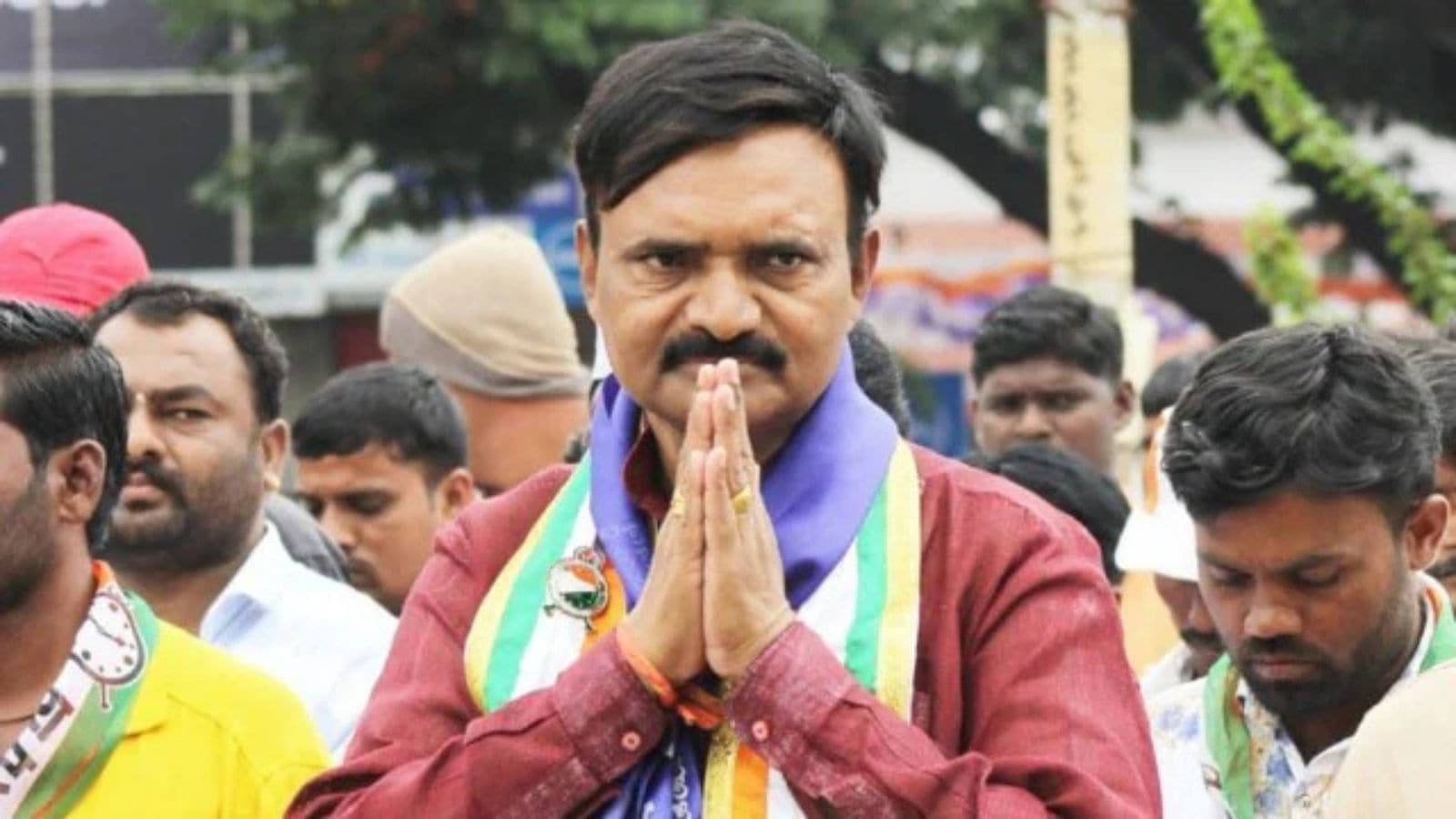
The recent Maharashtra assembly elections witnessed a unique post-election development in Markadwadi village, Malshiras constituency. Following the victory of NCP (SP) candidate Uttamrao Jankar, a controversy erupted regarding the vote count in Markadwadi, a village considered Jankar's stronghold. Residents claimed that despite Jankar's substantial overall victory, he received fewer votes in Markadwadi than his BJP opponent, Ram Satpute – a seemingly implausible result given Jankar's overall win by a margin of 13,147 votes. This discrepancy sparked a plan among some villagers, spearheaded by Jankar himself, to conduct a re-election using traditional ballot papers. The aim was to supposedly 'verify' the results obtained through electronic voting machines (EVMs), raising questions about the integrity and accuracy of the EVM process in this particular instance.
The plan for the re-election, scheduled to begin at 8 am, was abruptly cancelled following intervention by the local police. Authorities issued prohibitory orders to prevent the gathering of people, citing administrative directives. Jankar, while admitting to leading the call for the re-polling, stated that the plan was abandoned due to significant police pressure. Villagers had gone to the extent of printing their own ballot papers mirroring those used in the official election, preparing makeshift polling booths, and even making electoral rolls ready. This demonstrates the level of community involvement and the depth of suspicion surrounding the initial election results in Markadwadi.
The police presence in the village became substantial, with officers reportedly visiting every house to warn residents against participating in the unsanctioned re-polling. The threat of legal action effectively dissuaded many villagers from participating, forcing the cancellation of the planned event. This highlights the limitations placed on citizen-led initiatives aimed at addressing perceived irregularities in electoral processes, especially when undertaken outside of the officially sanctioned frameworks. The incident underscores the tension between citizen concerns regarding electoral integrity and the authorities' responsibilities in maintaining order and upholding the official results.
Despite the setback, Jankar has vowed to continue his protest through other means. He has stated his intention to formally raise this issue with the Election Commission of India (ECI) and possibly pursue legal avenues to challenge the original results in Markadwadi. This suggests the issue is far from resolved and highlights the potential for broader implications beyond the single village. The situation raises questions regarding the transparency and accountability of the electoral process, and whether existing mechanisms for addressing such concerns are sufficient to ensure public trust in election results.
The incident in Markadwadi throws a spotlight on the challenges faced in maintaining public confidence in election outcomes. The use of EVMs, while intended to improve efficiency and accuracy, has occasionally been subject to controversy and accusations of manipulation. The villagers' actions, while ultimately thwarted by police intervention, highlight a significant lack of trust in the official outcome. The response from the authorities, while legally defensible, also raises questions about potential restrictions on citizen initiatives to independently examine the integrity of the electoral process. The case highlights a need for greater transparency and clarity in addressing discrepancies and ensuring public confidence in election results.
The event serves as a case study for examining the balance between maintaining law and order and allowing for citizen-led investigations into electoral integrity. Future developments, especially the outcome of Jankar's planned appeals to the ECI and potentially the judiciary, will be closely watched. The situation raises broader concerns about public trust in electoral systems and the mechanisms available for addressing concerns about the accuracy and fairness of elections. The ultimate resolution of this incident will likely have implications for future electoral processes and the management of public concerns regarding the integrity of elections.