
 |
|
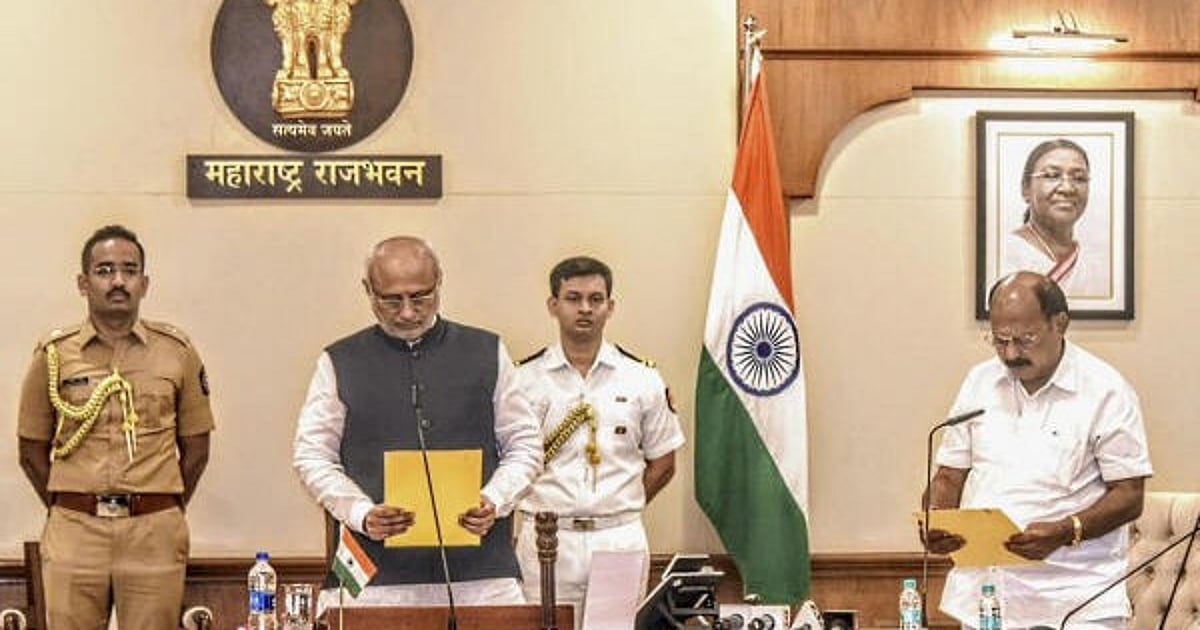
The recent swearing-in ceremony of the Maharashtra assembly showcased a diverse linguistic landscape, reflecting the state's rich cultural tapestry. Members took their oaths in Marathi, Sanskrit, Hindi, Urdu, and Sindhi, highlighting the multilingual nature of the state's political representation. This linguistic diversity underscores the importance of inclusivity and representation in the state's legislative body, ensuring that all segments of the population feel represented and heard. The choice of languages used during the ceremony also reflects the historical and cultural significance of these languages within the state's context. Marathi, as the official language, holds a central position, while Sanskrit's inclusion highlights the historical and traditional aspects of the state's heritage. The presence of Hindi, Urdu, and Sindhi further demonstrates the multi-ethnic composition of Maharashtra and its commitment to linguistic pluralism.
A particularly noteworthy aspect of the ceremony was the choice of seven BJP MLAs – Girish Mahajan, Seema Hire, Prashant Thakur, Sudhir Gadgil, Nitesh Rane, Pratap Adsad, and Ram Kadam – to take their oaths in Sanskrit. This collective decision highlights a conscious effort to acknowledge and celebrate Sanskrit's historical significance within the state. The choice of Sanskrit, a classical language with a rich literary tradition, may also be interpreted as a symbolic gesture, representing the continuity of tradition within the modern political landscape. It is important to consider the potential motivations behind this choice, ranging from personal beliefs and adherence to tradition to strategic political signaling.
The fact that Girish Mahajan took the oath in Sanskrit for the seventh time is particularly significant. This repetition underlines his personal preference and possibly a deeper commitment to upholding and promoting Sanskrit's enduring presence in the state. His repeated choice might also be interpreted as a way to create a personal brand and image, thereby connecting with specific segments of the population who value and appreciate the use of Sanskrit. His consistent decision to take the oath in Sanskrit over several legislative terms offers an interesting case study for political communication and the construction of public image within the context of the Maharashtra assembly.
The event offers valuable insights into the socio-political dynamics of Maharashtra. The selection of these languages demonstrates the state's recognition of its multi-cultural population and attempts to incorporate the voices and identities of numerous communities within the legislative process. The ceremonial choice of language can be seen as a way to reflect the cultural richness and the historical layers within the state, indicating that the legislature is responsive to the expectations and the linguistic diversity of its citizenry. However, the significance of the language choice also needs to be assessed in the context of political strategies and representations, as well as potential symbolic gestures designed to appeal to specific demographics.
The multilingual nature of the oath-taking ceremony also has implications for the accessibility and inclusivity of the legislative process. The use of multiple languages ensures that more members of the population can participate and engage in the decision-making process. This multilingual approach not only increases accessibility but also promotes inclusivity by acknowledging the diverse linguistic backgrounds of the state’s inhabitants. It is crucial to consider the wider impact of such symbolic acts on promoting social cohesion and strengthening the relationship between the government and its people. Further analysis is needed to assess the extent to which the symbolic representation of linguistic diversity is translated into tangible policy measures promoting linguistic rights and equality.
In conclusion, the swearing-in ceremony in the Maharashtra assembly, with its diverse array of languages, presents a unique opportunity to examine the interplay between language, culture, politics, and representation. The event showcases the complex relationship between symbolic gestures and their potential impact on social cohesion and political communication. Future research could investigate the broader implications of this multilingual approach on the accessibility and inclusivity of the legislative process, considering both its successes and potential challenges in ensuring effective communication and engagement across diverse linguistic groups.
Source: Maharashtra assembly: Members take oath in Marathi, Sanskrit, Hindi, Urdu and Sindhi