
 |
|
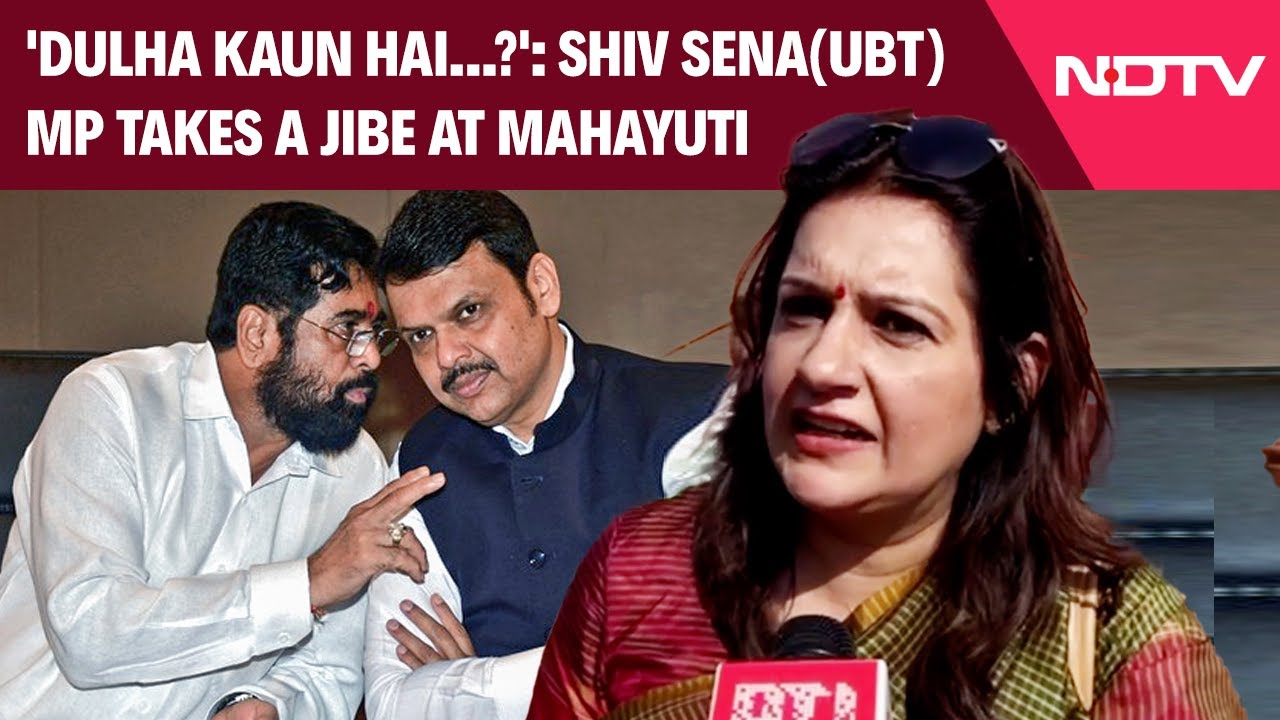
The recent political maneuvering in Maharashtra has thrust the state into a period of intense speculation and uncertainty. The delay in announcing the new Chief Minister following the formation of the Mahyuti alliance has drawn sharp criticism, most notably from Shiv Sena MP Priyanka Chaturvedi. Her pointed remarks highlight the growing pressure on the coalition partners to resolve their internal differences and present a unified front to the electorate. The prolonged impasse raises concerns about the stability of the government and the ability of the alliance to effectively govern the state.
The delay is not simply a matter of procedural inefficiency; it reflects deeper fault lines within the Mahyuti alliance. The negotiations surrounding the allocation of ministerial portfolios and the distribution of power within the government have proven to be protracted and complex. Each constituent party is vying for its share of influence, leading to protracted negotiations and a stalemate in the selection of the Chief Minister. This internal struggle underscores the challenges inherent in coalition governments, particularly when the participating parties possess distinct ideological orientations and competing ambitions.
The political ramifications of this delay are significant. The continued uncertainty creates an environment of instability, hindering effective governance and potentially undermining public confidence in the newly formed government. Opposition parties are likely to exploit this situation, leveraging the delay to criticize the Mahyuti alliance's ability to govern effectively. The delay also invites speculation about the long-term viability of the coalition, raising questions about its capacity to navigate future challenges and maintain a cohesive governing structure. The longer the decision is delayed, the greater the risk of internal fissures widening and potentially leading to the collapse of the coalition before it has even fully assumed power.
Furthermore, the delay in naming a Chief Minister has broader implications for the state's development agenda. With critical policy decisions pending, the absence of clear leadership can lead to delays and inefficiencies in implementing crucial programs and initiatives. Investors may also hesitate to commit to projects in Maharashtra given the ongoing political uncertainty. This uncertainty could negatively impact economic growth and overall development. The stability and effectiveness of the government are paramount for attracting investment and fostering economic prosperity.
Beyond the immediate political consequences, the situation in Maharashtra serves as a case study for the challenges inherent in multi-party governance. The experience underscores the difficulties in balancing competing interests and forging a consensus in coalition governments. It also highlights the importance of clear communication, decisive leadership, and effective negotiation skills in navigating the complexities of coalition politics. The events in Maharashtra offer valuable lessons for future coalition governments, illustrating the potential pitfalls and the necessity of careful planning and strategic alliances to ensure stability and effective governance.
The outcome of this political drama will have profound consequences for the people of Maharashtra. The selection of the Chief Minister will not only determine the direction of the state's governance but also profoundly impact the lives of its citizens. The resolution of this impasse is crucial for restoring confidence, facilitating effective governance, and ultimately ensuring the welfare and prosperity of Maharashtra. The coming weeks will be crucial in determining whether the Mahyuti alliance can overcome its internal divisions and establish a stable government capable of addressing the challenges facing the state.
In conclusion, the delay in naming the Chief Minister in Maharashtra is more than a mere procedural issue; it is a reflection of the intricate dynamics of coalition politics, the challenges of balancing competing interests, and the impact of political maneuvering on governance and stability. The situation underscores the importance of decisive leadership, effective communication, and skillful negotiation in navigating the complexities of coalition governments and ensuring effective governance. The resolution of this situation will be closely watched, not only within Maharashtra but also across India, as it carries significant implications for the future of coalition governments and the stability of the political landscape.
Source: Priyanka Chaturvedi Takes A Jibe At Mahyuti Over Delay In Naming Maharashtra CM