
 |
|
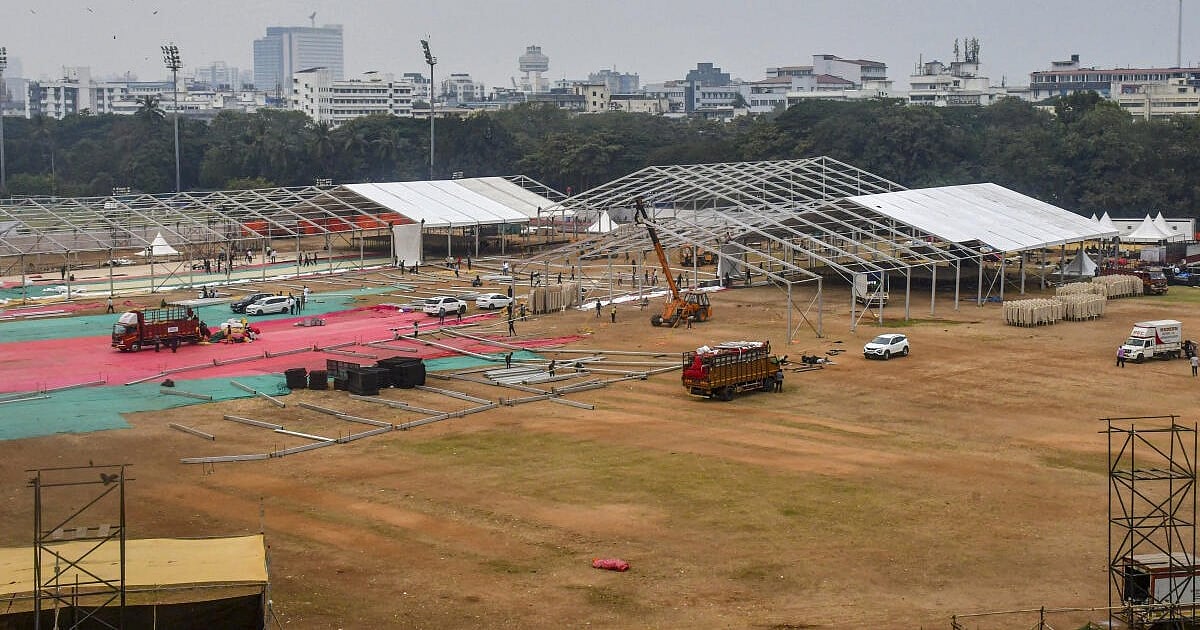
The recent display of unity by the Maha Yuti alliance in Azad Maidan holds significant political weight, especially considering the impending formation of a new government in Maharashtra. The visit by leaders from the BJP, the Eknath Shinde-led Shiv Sena, and the Ajit Pawar-led NCP faction to Azad Maidan, where they inspected arrangements for an upcoming event, serves as a powerful visual representation of their combined strength and coordinated approach to governance. This coordinated action signals a united front ahead of the crucial task of forming a stable and effective government. The event at Azad Maidan is more than just a logistical inspection; it is a strategic maneuver designed to convey a message of political cohesion and resolve to the public, opposition parties, and potentially even wavering allies.
The choice of Azad Maidan as the location for this show of unity is itself telling. Azad Maidan, a large public space in Mumbai, has historically been a venue for significant political rallies and demonstrations. By choosing this location, the Maha Yuti leaders are sending a clear message: their alliance is strong, capable of mobilizing public support, and prepared to govern effectively. The meticulous inspection of arrangements, as highlighted in the news article, further underlines their commitment to a well-organized and impactful political presence. The careful planning involved suggests a deliberate and calculated strategy to project an image of competence and preparedness.
The implications of this display of unity extend beyond immediate political maneuvering. The stability of the new government will be crucial for the economic development and social progress of Maharashtra. This collaborative approach, if maintained, could potentially lead to more effective policy-making, smoother implementation of crucial initiatives, and increased accountability to the electorate. However, challenges remain. The diverse ideologies and internal factions within each constituent party could potentially lead to conflicts and compromises in the future. Maintaining this united front throughout the governance period will be a significant test of the leaders' ability to prioritize the common good over individual interests. Moreover, the opposition will likely scrutinize the alliance's actions closely and attempt to exploit any internal fissures.
The success of the Maha Yuti government will depend, in no small measure, on its ability to deliver on its promises to the people of Maharashtra. Effective governance requires not only political unity but also tangible achievements in areas such as infrastructure development, economic growth, social welfare, and environmental protection. The alliance will need to demonstrate competence in managing the complex challenges faced by the state, such as unemployment, poverty, and the impact of climate change. A failure to deliver on key promises could lead to public dissatisfaction and potentially destabilize the government, irrespective of the strength displayed in the Azad Maidan show of unity.
The political landscape of Maharashtra remains dynamic and unpredictable. The alliances forged and broken in the recent past illustrate the fluidity of power dynamics. The current show of unity is a snapshot in time, and its longevity will depend on various factors, including the leadership’s ability to manage internal conflicts, effectively address public concerns, and navigate potential external challenges. The future of Maharashtra's government hinges not only on this visual display of unity but on the actual collaborative governance that follows. Continued vigilance and critical evaluation of the alliance's actions will be crucial for ensuring accountability and safeguarding the interests of the state and its citizens.
Source: Ahead of govt formation, Maha Yuti's show of unity in Azad Maidan