
 |
|
The cricketing world is abuzz with speculation surrounding the future of the 2025 Champions Trophy, scheduled to be held in Pakistan. The primary point of contention is the Board of Control for Cricket in India's (BCCI) steadfast refusal to send the Indian team to Pakistan for the tournament. This decision has cast a long shadow over the event, jeopardizing its viability and sparking intense debate among players, officials, and fans alike. The International Cricket Council (ICC) has attempted to find a compromise, suggesting a 'hybrid model' where India would play its matches at a neutral venue. However, this proposal has been met with resistance from the Pakistan Cricket Board (PCB), which insists on the tournament being held entirely within its borders. This impasse highlights the deeply complex geopolitical relationship between India and Pakistan, a relationship that often bleeds into the world of sports.
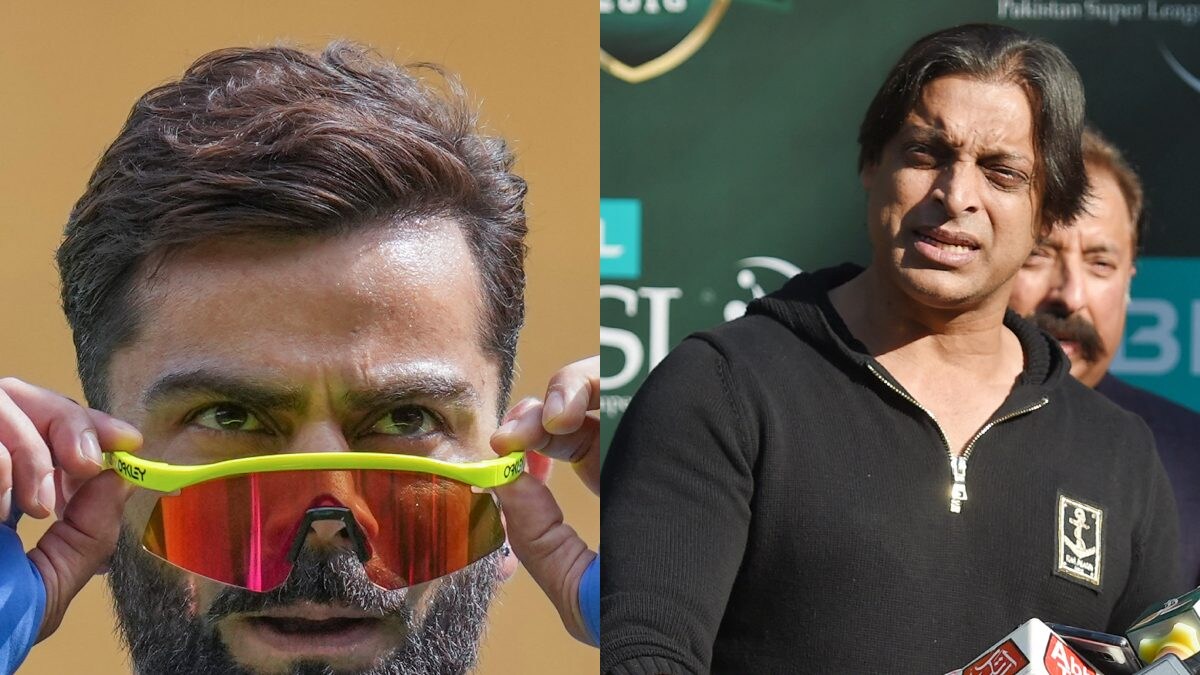
Adding fuel to the fire is the bombastic claim made by former Pakistan fast bowler Shoaib Akhtar. Akhtar, known for his outspoken nature, has asserted that the BCCI secretly desires to send the Indian team to Pakistan, but is being prevented from doing so by the Indian government. He further escalated the situation by claiming that Indian batting superstar Virat Kohli is 'dying' to play in Pakistan, emphasizing the immense commercial appeal of an India-Pakistan match-up. This statement, while highly subjective and lacking verifiable evidence, underscores the considerable financial stakes involved. An India-Pakistan clash is a guaranteed ratings bonanza, drawing massive television audiences and lucrative sponsorship deals. The absence of India from the Champions Trophy would represent a significant financial blow to the tournament, potentially jeopardizing its overall success.
Akhtar's comments are not entirely without merit. While the BCCI's official stance remains firm on security concerns, the potential economic benefits of participation are undeniable. The lucrative television rights and sponsorship opportunities associated with an India-Pakistan match are substantial, making it a compelling incentive for both boards. However, the political realities are equally significant. The tense relationship between the two nations, marked by long-standing border disputes and intermittent periods of heightened tension, poses a formidable obstacle to overcoming the impasse. The security concerns raised by the BCCI are legitimate, requiring careful consideration and a comprehensive risk assessment. Akhtar's prediction that India will play a full series in Pakistan within a year or two remains speculative, heavily contingent on significant improvements in bilateral relations and a resolution of the underlying political issues.
The ICC's role in navigating this crisis is crucial. The organization faces the daunting task of balancing the competing interests of various member boards while ensuring the long-term health and sustainability of the Champions Trophy. The ICC's scheduled meeting, reportedly called by newly appointed chairman Jay Shah, carries immense weight. The outcome of this meeting will likely determine the fate of the tournament, shaping its future and influencing the dynamics of international cricket for years to come. The potential cancellation or significant alteration of the Champions Trophy would have far-reaching consequences, impacting not only the participating teams but also the financial stability of the ICC and the broader global cricketing community. The situation demands a pragmatic and nuanced approach, considering both the commercial viability and the political realities that underpin the conflict.
Ultimately, the resolution of this dispute hinges on more than just cricket. It reflects a deeper geopolitical tension between India and Pakistan, one that extends beyond the sporting arena. While the desire for a high-profile India-Pakistan clash is understandable from a commercial perspective, addressing the security concerns and the overarching political context remains paramount. The future of the Champions Trophy, and indeed, the relationship between the two cricketing giants, hangs precariously in the balance, awaiting a delicate resolution that balances commercial interests with political realities.