
 |
|
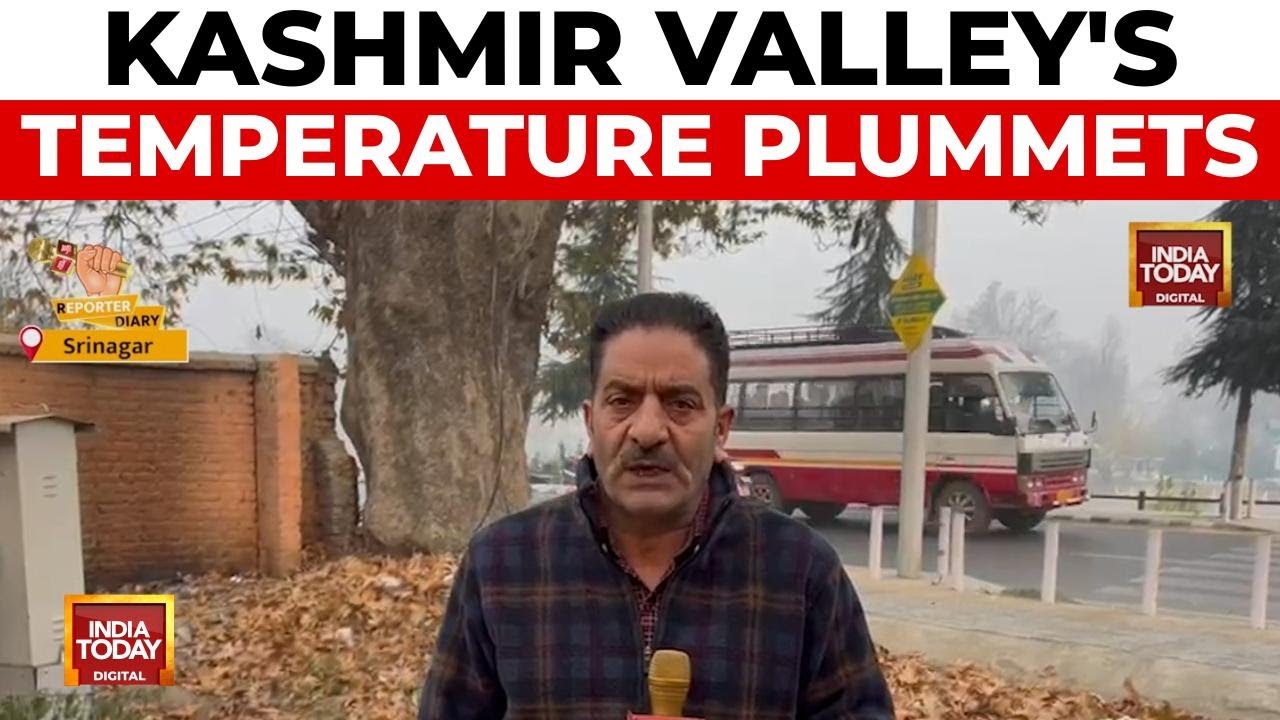
The recent snowfall in the Kashmir Valley has ushered in a significant drop in temperature, leaving the region bracing for colder days ahead. The meteorological department has issued forecasts predicting a continued decline in temperatures across the valley, prompting residents to prepare for the harsher winter conditions. This sudden shift in weather patterns has brought about various challenges, particularly impacting daily life for many Kashmiris. The dramatic temperature plunge is not merely a matter of discomfort; it carries significant implications for various sectors, from agriculture to tourism, and underscores the unpredictable nature of the region's climate.
In Srinagar, the valley's largest city, temperatures have plummeted to minus one degree Celsius, and further decreases are anticipated in the coming days. This significant drop marks a stark contrast to the relatively milder weather experienced before the snowfall. The impact extends beyond the city limits, affecting smaller towns and villages across the region, where the lack of adequate heating infrastructure exacerbates the challenges posed by the cold. The cold snap is expected to affect various aspects of life, including transportation, impacting travel and commutes, and potentially causing disruptions to essential services. Farmers and agricultural workers are especially vulnerable, with the cold potentially damaging crops and livestock.
The dense fog that has enveloped the valley, especially in areas close to water bodies, has created further difficulties. Fishermen on Volar Lake, for instance, face severe visibility challenges, hindering their ability to navigate safely and carry out their fishing activities. The combination of plummeting temperatures and dense fog creates hazardous conditions, requiring increased caution and safety measures. The authorities are likely to issue warnings and advisories urging caution and preparedness. The potential for accidents, both on land and water, highlights the urgency of adaptation and proactive measures in response to the changing weather patterns.
The changing climate in Kashmir and the increasingly unpredictable weather patterns necessitate a comprehensive adaptation strategy. This should involve investing in better infrastructure, improving warning systems, and developing resilient agricultural practices that can withstand extreme weather conditions. The vulnerability of the region underscores the need for stronger collaboration between government agencies, local communities, and international organizations to mitigate the risks associated with climate change. The challenges presented by the current cold snap are a stark reminder of the urgent need to address climate change and its multifaceted impacts on vulnerable populations.
Beyond the immediate concerns of the current cold spell, the long-term implications for the region's economy and environment must be considered. Tourism, a vital sector for Kashmir, could be negatively impacted by severe weather conditions. The agriculture sector, already vulnerable, requires significant investment in resilient farming techniques. Furthermore, the increasing frequency and severity of extreme weather events emphasize the necessity of proactive climate change mitigation and adaptation strategies. International cooperation and sustainable development practices are crucial in addressing these challenges and ensuring the long-term well-being of the region.
The situation in Kashmir highlights the broader global challenge of climate change and its disproportionate impact on vulnerable populations. The ongoing cold snap serves as a stark reminder of the interconnectedness of environmental issues and the urgent need for collaborative global action to address them. The experiences of Kashmiris should serve as a case study for better understanding the impacts of climate change and developing effective strategies for building resilience in the face of extreme weather events. The world needs to understand that addressing climate change is not just an environmental concern, but a matter of social justice and global security.
Source: Kashmir braces for colder days as temperature drops after snowfall