
 |
|
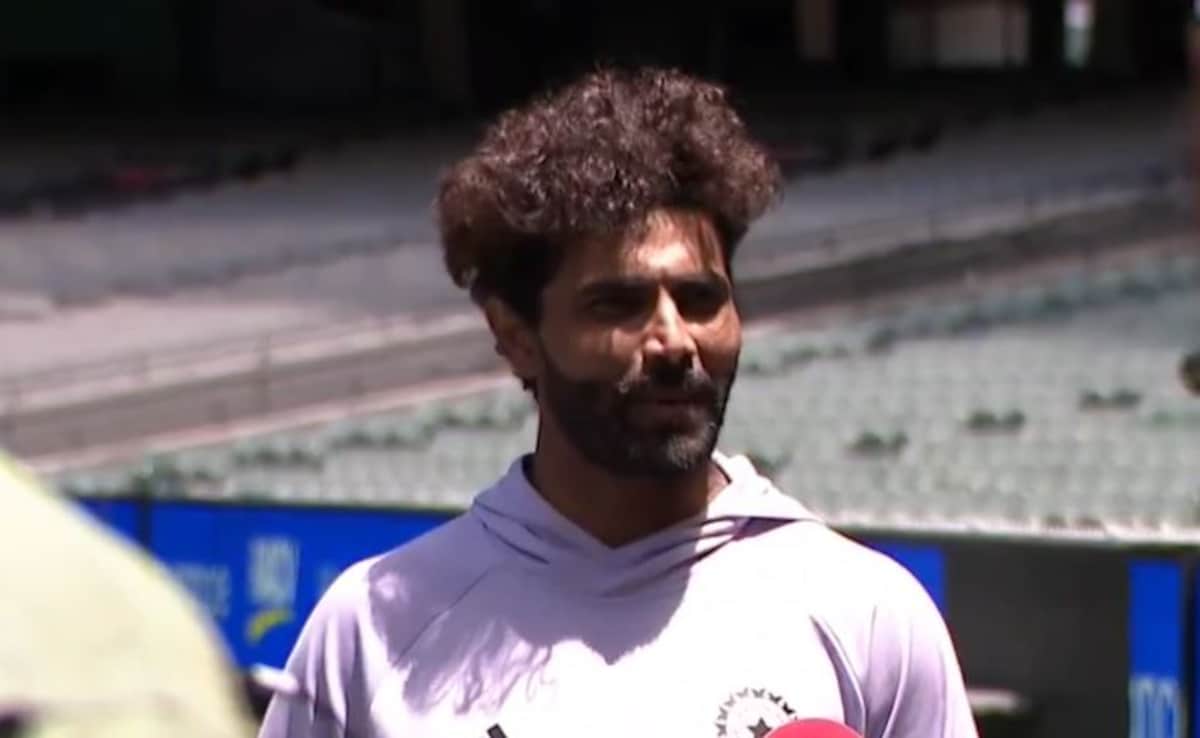
The recent tour of Australia by the Indian cricket team has been punctuated by several off-field incidents, the latest involving all-rounder Ravindra Jadeja and his interaction with the Australian media. A video surfaced online showing a tense exchange between Jadeja, a reporter, and the Team India media manager following a press conference at the Melbourne Cricket Ground (MCG). The controversy centers on allegations that Jadeja refused to answer a question in English, fueling accusations of unprofessionalism and a lack of respect for the local press. The incident highlights the increasingly strained relationship between the Indian cricket team and certain segments of the Australian media, a dynamic exacerbated by previous confrontations involving players like Virat Kohli.
The video clearly shows Jadeja's interaction with the Australian reporter. While the exact words exchanged are difficult to discern clearly, the body language and tone suggest a significant level of tension. The Team India media manager attempts to intervene, explaining that Jadeja was pressed for time due to a delayed team bus. However, the Australian journalist persists, expressing dissatisfaction with the perceived disorganization and what he considers an inadequate response from the Indian player. This situation is particularly sensitive given the current political climate and the existing tensions between the two countries, factors that invariably spill over into sports.
Several accounts of the incident have emerged, differing in their interpretations. Some reports claim Jadeja outright refused to answer in English, emphasizing the perceived slight to Australian journalists. This aligns with the frustration expressed by the reporter in the video and the subsequent reports from Australian news outlets. Conversely, other reports, including from an Indian journalist present at the press conference, provide a different perspective. This account emphasizes the time constraints, suggesting Jadeja was rushing to catch the team bus and was simply unable to answer all questions fully. It further argues that there was no official requirement to answer in English and that the Australian media overreacted to the situation.
The incident with Jadeja follows closely on the heels of a similar controversy involving Indian captain Virat Kohli. Kohli was reportedly upset about being filmed by a reporter at the airport with his family. This highlights a broader concern among the Indian cricket team about the boundaries of media intrusion into their personal lives. While the incident was later clarified as a misunderstanding, it underscores the potential for friction between players and the media, especially in high-pressure international sporting events. The back-to-back incidents raise serious questions about media responsibility and the player-media relationship, particularly in the context of international sporting events.
The overall impact of these incidents extends beyond a simple media dispute. The increasingly tense relationship between the Indian cricket team and sections of the Australian media could affect the atmosphere surrounding the matches, potentially impacting player performance and creating an unwelcome backdrop to what should be a celebration of athletic competition. This also raises questions about the role and responsibilities of media organizations in covering international sporting events. Maintaining a respectful and professional relationship between athletes and the press is essential for ensuring fair and unbiased reporting and preserving the integrity of the sport itself.
Looking forward, it's crucial for both the Indian cricket team and the Australian media to engage in open dialogue to address these recurring issues. Clearer protocols regarding media access, particularly concerning players' personal lives, might help prevent similar incidents in the future. The overarching goal should be to foster an environment where both parties can operate professionally, ensuring that the focus remains on the sport itself. Ultimately, addressing these issues requires a commitment from all stakeholders to improve communication, understand each other's perspectives, and work towards a more harmonious relationship.
The Jadeja incident, therefore, serves as a microcosm of a much larger problem. It's a reminder that the world of professional sports is not just about on-field battles, but also about managing the complex dynamics between athletes, media, and the public. Effective communication and mutual respect are essential ingredients in navigating these complexities. The lingering questions regarding protocol, media access, and cultural sensitivity, highlight the need for a proactive and collaborative approach between cricket authorities, players, and media outlets to ensure a more respectful and professional environment in the future.
Source: Fresh Video Emerges Amid Row Over Jadeja Speaking Hindi In Australia. Here's What Happened