
 |
|
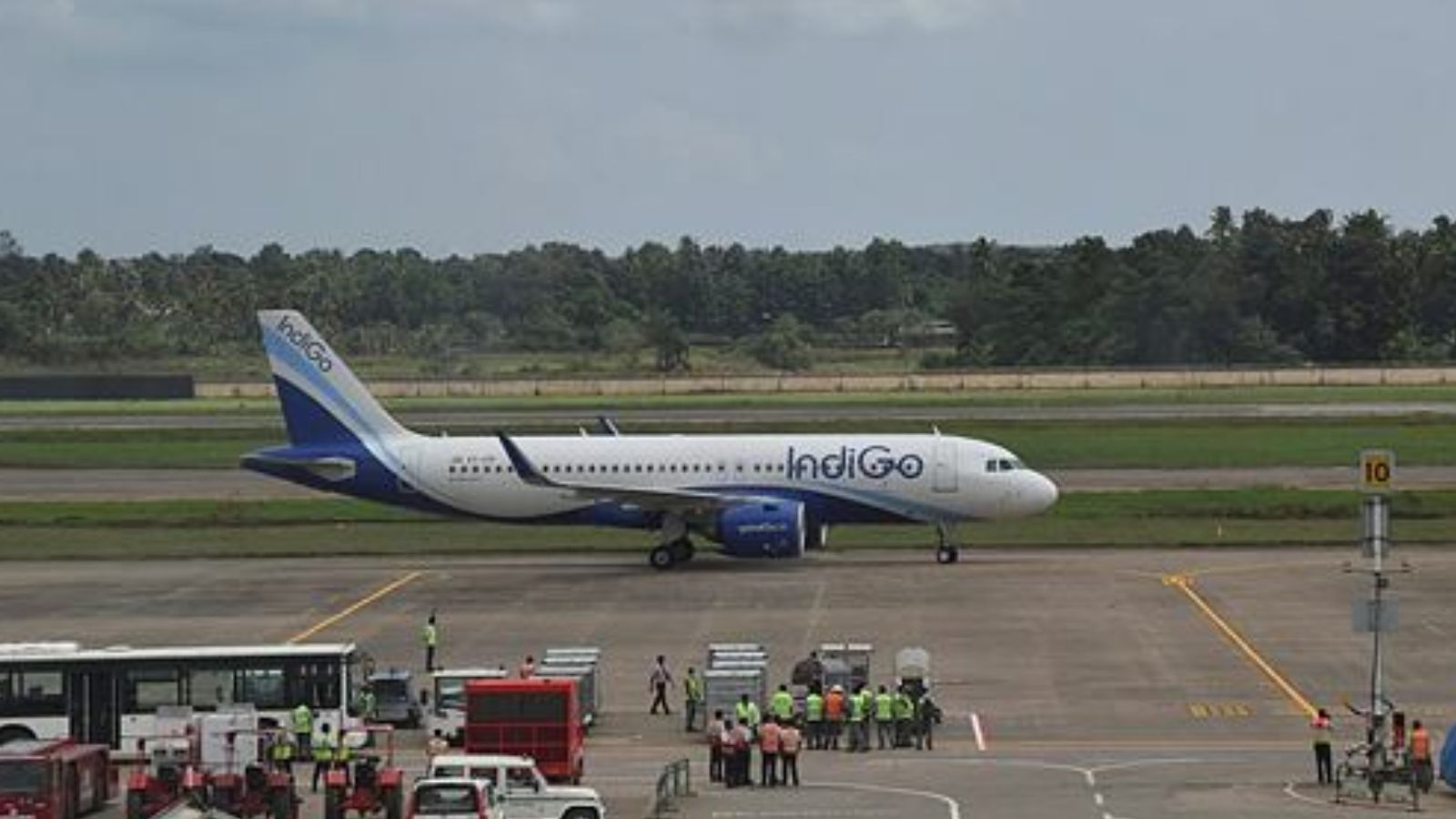
The aviation industry is a fiercely competitive landscape, constantly striving for operational excellence and customer satisfaction. Recent rankings released by AirHelp, a European air passenger claims processing agency, have ignited a debate surrounding the performance of IndiGo, India's largest airline. AirHelp's 2024 report placed IndiGo at a lowly 103rd position out of 109 airlines globally, a ranking that has been met with strong rebuttal from IndiGo itself. The airline has questioned the credibility of the survey and highlighted discrepancies between AirHelp's findings and the data published by the Directorate General of Civil Aviation (DGCA), India's aviation regulator.
AirHelp's ranking methodology considers three equally weighted criteria: on-time performance, customer opinion, and the processing of compensation claims. IndiGo's score of 4.80, according to AirHelp, contributed to its low placement. In contrast, airlines such as Brussels Airlines, Qatar Airways, and United Airlines topped the list with significantly higher scores. However, IndiGo strongly contests this assessment. The airline points to the DGCA's monthly reports, which consistently showcase IndiGo's high on-time performance and its remarkably low customer complaint ratio relative to its size and scale of operations. This discrepancy underscores the fundamental disagreement over the validity and scope of the data used in the AirHelp ranking.
The heart of the controversy lies in the differing data sources and methodologies employed. The DGCA's data is sourced directly from operational records and passenger feedback within India's domestic aviation sector. This data, which IndiGo highlights, paints a picture of a highly efficient and customer-centric airline. In October 2023, for instance, IndiGo boasted an on-time performance of 71.9 percent across four major metropolitan airports and a remarkably low complaint ratio of 0.2 complaints per 10,000 passengers. AirHelp, on the other hand, utilizes a broader, more global dataset, drawing information from multiple commercial vendors and creating its own comprehensive flight database. The lack of transparency regarding the specific sample size from India and the methodology used to aggregate global data raises concerns about the comparability and reliability of the AirHelp ranking compared to the DGCA's more localized data.
IndiGo's strong rebuttal underscores the complexities of evaluating airline performance on a global scale. The airline's impressive domestic performance, as reflected in the DGCA data, suggests a possible bias or limitations in AirHelp's methodology, particularly in its ability to accurately capture the nuanced realities of the Indian aviation market. The disparity between the two datasets highlights the need for greater transparency and standardization in airline performance measurement. A more robust evaluation process would require a clearer understanding of the data sources, sample sizes, and weighting methodologies used to create these rankings. Without such transparency, the credibility of these rankings remains questionable and may not fully reflect the true performance of individual airlines operating in diverse and dynamic aviation markets.
The debate between IndiGo and AirHelp serves as a case study for the challenges involved in comparing airlines across different countries and regulatory environments. The importance of considering local contexts and regulatory frameworks cannot be overstated. Future airline rankings need to account for the nuances of various national aviation systems and ensure that the metrics used are universally applicable and accurately reflect the realities of the airlines being evaluated. The contrasting perspectives presented by IndiGo and AirHelp underscore the need for a more holistic and nuanced approach to assessing airline performance, an approach that values transparency, consistency, and a deep understanding of the specific operational contexts in which these airlines operate.