
 |
|
The upcoming Champions Trophy has ignited a significant diplomatic and sporting dispute between India and Pakistan. The Board of Control for Cricket in India (BCCI) has declared its unwillingness to send the Indian cricket team to Pakistan for the tournament, throwing the Pakistan Cricket Board (PCB) into a state of uncertainty and prompting a strong reaction from former and current Pakistani cricket officials. This refusal is not simply a logistical issue; it speaks volumes about the complex political relationship between the two nations and the implications for international cricket. The BCCI's decision has far-reaching consequences, impacting not only the tournament's format and potential success, but also the broader relationship between the two cricket boards.
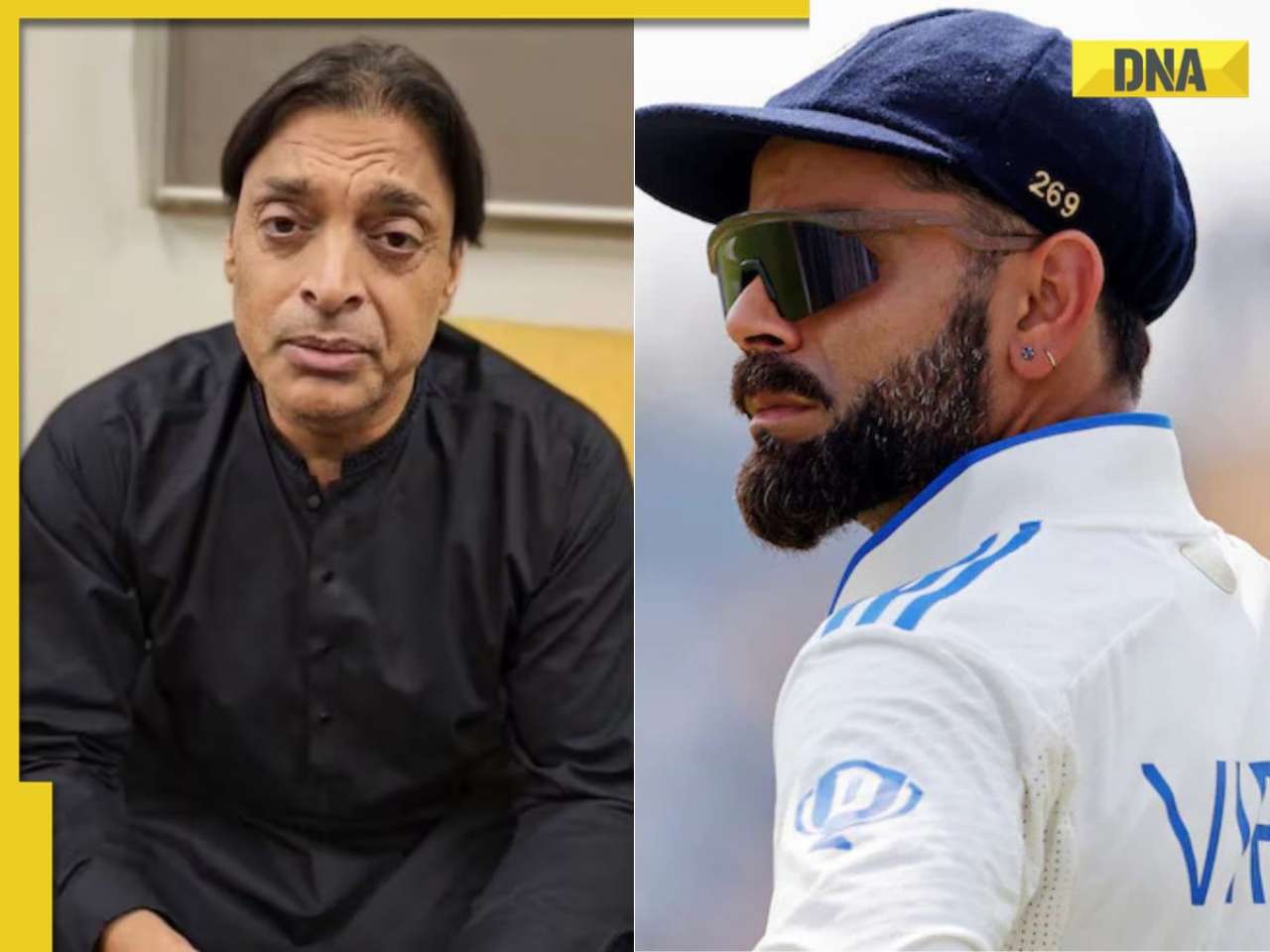
Adding fuel to the fire is the outspoken former Pakistani fast bowler, Shoaib Akhtar. Akhtar’s bold claim that India and its star player, Virat Kohli, are eager to participate in matches within Pakistan but are restrained by governmental restrictions has amplified the controversy. Akhtar's assertion challenges the official narrative, suggesting that the BCCI's decision is not a reflection of the players' desires, but rather a political constraint imposed on the team. He contends that the economic incentives for India – the substantial increase in television and sponsorship rights from matches in Pakistan – are too significant to be ignored. The implied implication is that the Indian government is prioritizing political considerations over potentially lucrative commercial opportunities in the world of cricket.
The Pakistan Cricket Board (PCB), initially adamant about hosting the entire tournament in Pakistan, has had to concede some ground in the face of India’s refusal. The PCB Chairman, Mohsin Naqvi, has publicly indicated a shift towards a hybrid model—where some matches may be played in neutral venues. However, Naqvi has emphasized that this compromise is not a sign of weakness. He has asserted that any such hybrid model will only apply to tournaments hosted in India until 2031, as stipulated by ICC regulations. This condition suggests that the PCB is seeking a compromise, but also seeking to maintain Pakistan's prestige and ensure that any compromise does not set a precedent for future tournaments.
This ongoing disagreement highlights the delicate balance between sports diplomacy and geopolitical realities. While cricket is a powerful tool for fostering cross-cultural understanding and cooperation, it is frequently entangled in the complex web of international relations. The decision by the BCCI has raised questions about the future of bilateral cricket series between the two nations and the implications for the ICC's ability to maintain neutrality and fair play in the face of such political pressures. The outcome of this dispute will set a precedent, not just for the Champions Trophy, but for future international cricket events, potentially impacting how other countries approach hosting tournaments and engaging in bilateral series.
Further complicating the matter are statements from numerous former Pakistani cricketers expressing their disappointment and frustration with the BCCI's decision. This widespread reaction underscores the depth of feeling within Pakistan regarding the potential loss of revenue and the impact on national pride. The controversy extends beyond the immediate implications for the Champions Trophy; it speaks to a wider narrative regarding the complex and often tense relationship between India and Pakistan, a relationship that frequently intersects with the realm of international sport.
The situation serves as a reminder that the world of international sports is rarely devoid of political considerations. The decisions made by governing bodies like the BCCI and the PCB are often influenced by factors that extend far beyond the sporting arena. This case demonstrates the challenges of maintaining a level playing field when national interests and political agendas collide. The ongoing discussions and negotiations between the ICC, BCCI, and PCB, therefore, will not only shape the future of the Champions Trophy but also serve as a case study in the intersection of sports and geopolitics.
Source: ‘India, Virat Kohli dying to play in Pakistan’: Shoaib Akhtar's BIG claim amid Champions Trophy row