
 |
|
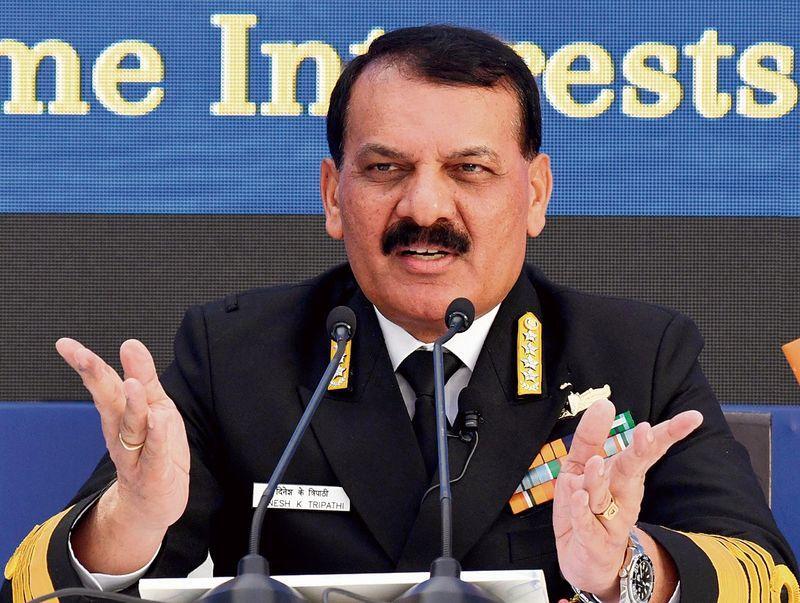
The Indian Navy is poised for a significant expansion of its capabilities with the anticipated acquisition of new French-made fighter jets and submarines. Admiral Dinesh Tripathi, Chief of the Indian Navy, announced on Monday that India is likely to finalize agreements with France by January 2025 for the procurement of 26 Rafale-M fighter jets and three additional Scorpene-class submarines. This acquisition represents a crucial step in strengthening India's naval prowess and bolstering its defense posture in the strategically important Indian Ocean region. The Rafale-M, a naval variant of the highly regarded Rafale fighter jet, will bring advanced air-to-air and air-to-ground capabilities to the Indian Navy's fleet, enhancing its ability to project power and respond effectively to potential threats. The addition of three more Scorpene-class submarines will further reinforce India's underwater capabilities, providing a vital deterrent and contributing to improved surveillance and maritime security.
The decision to acquire these advanced military assets underscores India's commitment to modernizing its armed forces and maintaining a strong defense capability in the face of evolving geopolitical dynamics. The acquisition of the Rafale-M and the Scorpene submarines is strategically significant, given the increasing competition and complexities within the Indo-Pacific region. These additions would not only improve India's ability to counter potential adversaries, but also enhance its role in maintaining regional stability and security. The purchase reflects a growing strategic partnership between India and France, further cemented by the shared values and interests of both nations in safeguarding maritime security and promoting international cooperation in the region. This collaboration extends beyond mere arms sales, encompassing a wide range of joint military exercises, intelligence sharing, and technological cooperation.
Admiral Tripathi's comments also highlighted the Indian Navy's assessment of the growing capabilities of the Pakistani Navy, particularly noting its expansion with the aid of China. This observation underscores the complex geopolitical landscape of the region, where naval power plays a crucial role in projecting influence and maintaining security. The concern expressed by Admiral Tripathi highlights the potential for an arms race in the region and the potential impact that increased military spending by Pakistan, fueled by Chinese support, could have on regional stability. This underscores the importance of diplomatic efforts to de-escalate tensions and prevent an escalation of military activities. The statement also serves as a clear indication of India's strategic awareness of the evolving regional power dynamics, underlining the need for continued investment in its own defense capabilities to maintain a credible deterrent.
The timing of the planned acquisition, with anticipated signing by January 2025, suggests a sense of urgency and a clear prioritization of these naval assets within India's broader defense strategy. The financial implications of these procurements are considerable, and their successful integration into the existing fleet requires careful planning and execution. It's likely that the acquisition process will involve extensive negotiations, technical evaluations, and logistical arrangements to ensure a smooth transition and effective deployment of the new assets. The addition of these advanced systems will likely require investments in training, maintenance, and infrastructure, reflecting the long-term commitment involved in modernizing a major naval force.
Looking ahead, the successful acquisition and integration of the Rafale-M jets and Scorpene submarines into the Indian Navy will undoubtedly strengthen its operational capabilities. This enhancement will contribute to a more robust naval presence, enhancing India's ability to respond to emerging threats and maintaining its strategic interests in the Indian Ocean region. The continued collaboration with France in the defense sector signifies a commitment to long-term strategic partnerships that extend beyond the immediate acquisition. The ongoing efforts in developing joint military capabilities and fostering technological exchanges will contribute to mutual security and regional stability. The situation warrants continuous monitoring and assessment, considering the evolving geopolitical landscape and the dynamic nature of regional security challenges.