
 |
|
The recent political upheaval in Bangladesh, marked by the student-led revolution and the subsequent ouster of former Prime Minister Sheikh Hasina, has significantly impacted the relationship between India and Bangladesh. The situation is further complicated by the fact that Hasina, who enjoyed strong support from India during her rule, has sought refuge in New Delhi after her removal from power. Bangladesh's announcement of its intent to seek her extradition adds another layer of complexity to the already strained diplomatic ties. The interim government, led by Nobel laureate Muhammad Yunus, has openly condemned what it perceives as acts of Indian aggression aimed at destabilizing its administration. This claim has fueled widespread protests against India within Bangladesh.
Yunus, a prominent figure who faced numerous legal challenges under Hasina's rule, has become a vocal critic of India's support for the former Prime Minister, citing mounting human rights abuses during her 15-year tenure. These accusations are further substantiated by concerns regarding the treatment of Bangladesh's Hindu minority community. India, on the other hand, has accused Bangladesh of failing to adequately protect this minority group, pointing to the recent arrest of a prominent Hindu priest on sedition charges as a key example. This incident has escalated tensions, with Prime Minister Narendra Modi's right-wing supporters urging a more assertive approach towards Dhaka. The Indian government, while expressing concern for the Hindu priest's legal rights, has maintained a diplomatic tone, hoping for a fair trial. The contrasting narratives regarding the scale and nature of violence against Hindus, with Yunus accusing India of exaggerating the situation, highlight the deep mistrust and communication breakdown between the two nations.
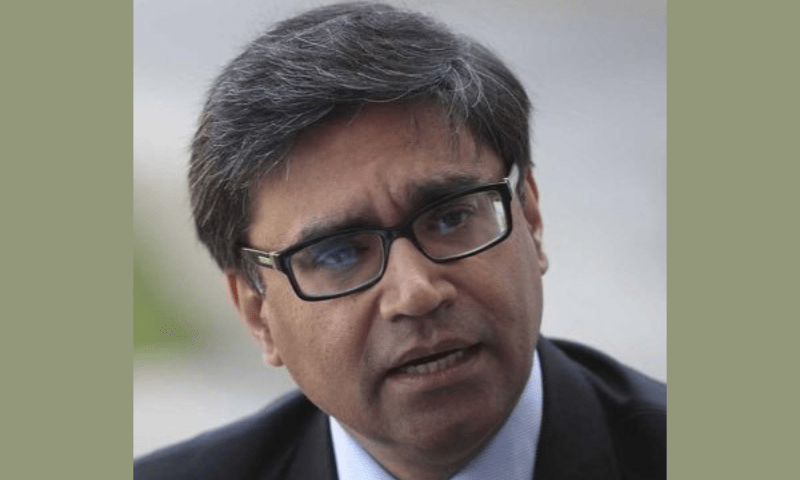
The situation is exacerbated by several street demonstrations in Bangladesh against India following Hasina's ouster. These protests, coupled with an incident involving Hindu activists attempting to breach a Bangladeshi consulate in India, further underscore the deteriorating diplomatic relationship. While India condemned this breach and made arrests, the incident served as another point of contention. Despite these significant diplomatic challenges, India and Bangladesh remain crucial economic partners, with bilateral trade valued at approximately $14 billion annually. This economic interdependence adds a further layer of complexity to the ongoing crisis, highlighting the need for a swift resolution to the current tensions. The visit by India's foreign ministry secretary, Vikram Misri, is a significant step aimed at de-escalating tensions and potentially finding common ground between the two nations. However, the success of this visit hinges on both sides' willingness to engage in constructive dialogue and address the underlying issues that have fueled the current crisis.
The core of the conflict appears to be rooted in differing interpretations of events and conflicting national interests. India, with its strategic and economic interests in the region, likely views stability in Bangladesh as crucial. Its support for Hasina, therefore, can be understood within this context, even if it came at the expense of overlooking human rights concerns. On the other hand, Bangladesh, grappling with its own internal political struggles and a desire to assert its sovereignty, sees India's involvement as interference in its domestic affairs. The accusations of aggression and the counter-accusations of neglecting the rights of minority communities represent deeply held grievances on both sides. The economic interdependence between the two countries, while presenting opportunities for cooperation, also acts as a potential source of friction, as each nation seeks to protect its own economic interests.
The path forward requires a delicate balance between addressing immediate concerns and building a long-term foundation for trust and cooperation. Open communication, a willingness to acknowledge each other's perspectives, and a commitment to resolving disputes through peaceful means are essential. Both countries must engage in a constructive dialogue that goes beyond the immediate crisis and addresses the root causes of the strained relationship. This includes engaging in honest discussions about human rights, minority protections, and the appropriate level of engagement in each other's internal affairs. Failure to address these fundamental issues could lead to further escalation, with significant consequences for both nations and the broader regional stability.
Source: India’s top diplomat to visit Bangladesh as tensions fester