
 |
|
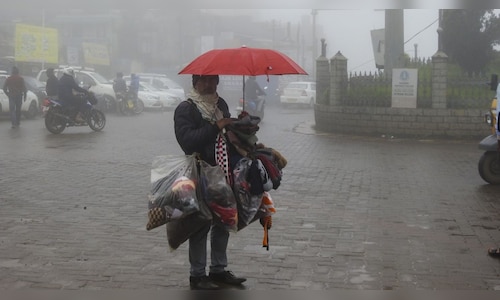
The India Meteorological Department (IMD) has issued a weather bulletin predicting significant rainfall across several regions of India in the coming days. The focus of the prediction is heavy rainfall in Tamil Nadu and Puducherry, with specific districts identified as being particularly vulnerable to heavy downpours. This prediction is based on the development and movement of a low-pressure area forming over the Bay of Bengal. The IMD’s detailed forecast specifies the timeline for these heavy rains, indicating the precise days and areas expected to be most severely impacted. The bulletin also provides a breakdown of the expected intensity of the rainfall, differentiating between heavy rainfall in isolated places and widespread lighter precipitation. This detailed prediction allows for targeted preparedness and mitigation efforts in the affected regions. The accurate forecasting of the location and intensity of the rainfall is critical for disaster management agencies and local authorities to take necessary precautions to minimize potential damage and safeguard the population.
In contrast to the southern regions bracing for heavy rain, northern India, specifically Delhi, is experiencing a starkly different weather pattern. Delhi recorded its coldest morning of the season, with the minimum temperature dipping significantly below the seasonal average. The IMD attributes this to a prevailing cold wave condition. This cold snap is a direct contrast to the expected heavy rains in the south, highlighting the diverse meteorological conditions across the country. The prediction for Delhi also includes the anticipation of fog and smog conditions, common during this time of year, impacting visibility and air quality. The juxtaposition of these weather events underscores the vast climatic variations within India and the challenges this presents for effective weather monitoring and prediction.
The IMD bulletin also addresses the approaching Western Disturbance, a significant weather system that originates in the Western Himalayan region and frequently impacts the weather patterns of Northwest India. The predicted arrival of this Western Disturbance is anticipated to bring light to moderate rainfall and snowfall across specific areas of the western Himalayas and parts of the northern plains. The timeline provided by the IMD specifies the duration of this weather system’s influence, allowing for farmers and other stakeholders to adapt their activities. This system adds another layer of complexity to the overall weather prediction for India, demanding a comprehensive and nuanced approach to understanding and managing its impact. The IMD's detailed analysis of these multiple interacting weather systems demonstrates the complexity of predicting weather patterns on a national scale, and underscores the importance of precise and timely forecasting.
The IMD's forecasts are crucial for various sectors. Farmers can adjust planting and harvesting schedules based on rainfall predictions. The tourism industry can prepare for potential disruptions to travel plans. Disaster management agencies can allocate resources efficiently to assist communities at risk. The accurate and timely dissemination of this information is vital for minimizing the impact of extreme weather events. The detailed predictions concerning both the heavy rains in the south and the cold wave in the north, combined with the anticipated impact of the Western Disturbance, paints a picture of diverse weather conditions across the country. This necessitates preparedness and responsiveness from various stakeholders to manage potential disruptions and mitigate the risks associated with these contrasting weather phenomena. The IMD's comprehensive bulletin highlights the importance of continuous monitoring and accurate forecasting in a country with such geographically varied weather patterns.
Beyond the immediate impact of weather, the IMD’s work contributes to a broader understanding of climate patterns in India. By tracking these variations and issuing timely warnings, the department plays a vital role in informing climate change adaptation strategies. The long-term analysis of these weather patterns, combined with the increasingly precise forecasting capabilities, offers valuable insights into the changing climate and its potential implications for different sectors of Indian society. The IMD's role extends beyond immediate weather forecasts; it also contributes to crucial data needed for long-term climate analysis, which is essential for effective disaster preparedness and mitigation efforts in the face of a changing climate. This continuous monitoring and data collection are vital for developing resilient communities able to withstand the impacts of extreme weather events.