
 |
|
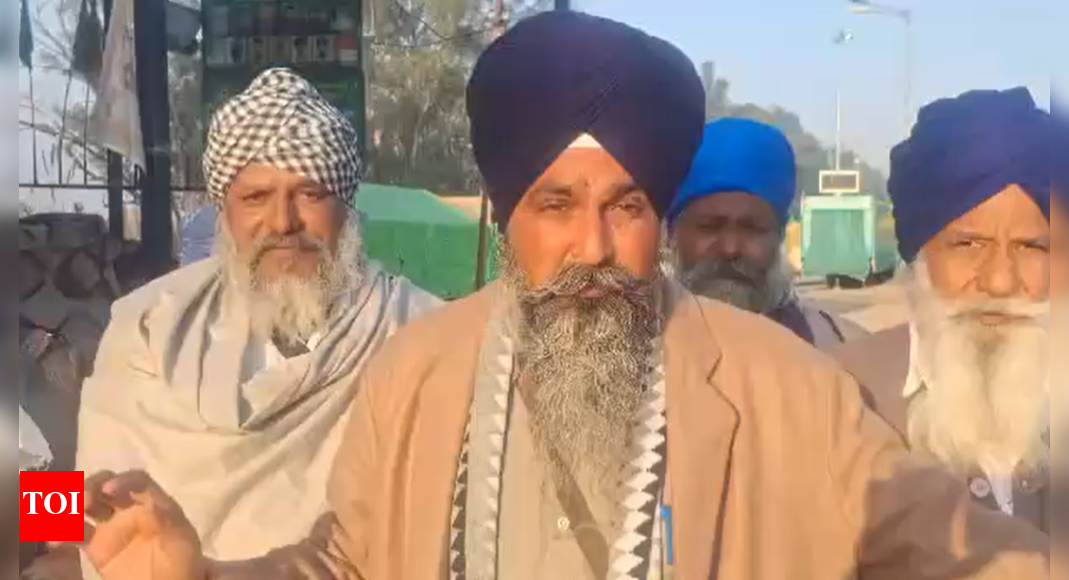
The ongoing tension between protesting farmers and the Haryana government has reached a new peak following recent statements made by Haryana Agriculture Minister Shyam Singh Rana. Farmers accuse Rana of adopting a contradictory approach, initially expressing no objection to peaceful marches but subsequently claiming that development is hampered by such movements. This shift in rhetoric has fueled further resentment and galvanized farmers' resolve to proceed with their planned march to Delhi. The core of the conflict lies in the perception of disingenuousness. Kisan Mazdoor Morcha leader Sarvan Singh Pandher highlighted the apparent inconsistency, pointing to previous statements by both Rana and Union Minister of State Ravneet Singh Bittu, which suggested a lack of opposition to peaceful farmer demonstrations. Pandher's argument directly challenges the government's current position, suggesting a deliberate attempt to discourage the march. This accusation is further underscored by the implication that the government is prioritizing economic growth over addressing farmers' grievances, a charge that strikes at the heart of the ongoing dispute.
Pandher's critique extends beyond the immediate statements. He poses a pointed question, recalling the extensive political mobilization undertaken by the BJP before its 2014 electoral victory. He challenges the government's claim that development is hindered by protests, arguing that the BJP’s own past actions directly contradict this assertion. The implicit suggestion is that the government is employing a double standard, applying different rules to its own political activities compared to those of the protesting farmers. This perceived hypocrisy is a significant factor in escalating the tension and undermining the credibility of the government's arguments. By invoking the BJP’s past activities, Pandher seeks to expose a fundamental inconsistency in the government’s logic and highlight the political motivations behind its opposition to the farmers’ march.
The planned march, set to begin on December 6th, further underscores the farmers' determination to have their voices heard. The strategic choice of the Shambhu border as a staging point is significant, suggesting a deliberate effort to maintain momentum and demonstrate unity. The mention of police deployment highlights the potential for conflict and underscores the seriousness of the situation. Pandher's statement that the farmers have left their logistical needs to the people of Haryana reflects both a confidence in public support and a tactical approach, potentially aiming to garner greater sympathy and assistance from the broader community. This reliance on public support indicates a broader strategy of mobilizing public opinion against the government's stance.
The underlying issue at stake transcends the immediate concerns of the march. It speaks to the broader challenges faced by farmers in India, including inadequate compensation, lack of access to markets, and the increasing burden of debt. The government's response, particularly Rana's shifting statements, is seen by many as indicative of a wider disconnect between the ruling party and the concerns of the rural population. The conflict therefore reflects a deep-seated political and socioeconomic divide, with the farmers' march serving as a symbolic representation of a larger struggle for fair treatment and equitable policies. The long-term implications of this conflict extend beyond the immediate outcome of the march, potentially impacting future government policies relating to agriculture and rural development.
The long period of barricading, spanning nearly 10 months, has caused significant hardship for the farmers and communities affected. Pandher directly attributes this hardship to the central government's actions and reiterates the call for meaningful dialogue. This accusation of responsibility serves to further frame the government's actions as not only obstructive but also actively harmful to the livelihoods of farmers. The demand for meaningful talks highlights the farmers' desire for a negotiated resolution, rather than a confrontational one, emphasizing the potential for productive engagement if the government is willing to engage in good faith. The continuation of this standoff underscores the critical need for addressing the underlying concerns fueling the farmers’ unrest.
Source: Farmers claim Haryana minister adopts different tone on farmers’ march to Delhi