
 |
|
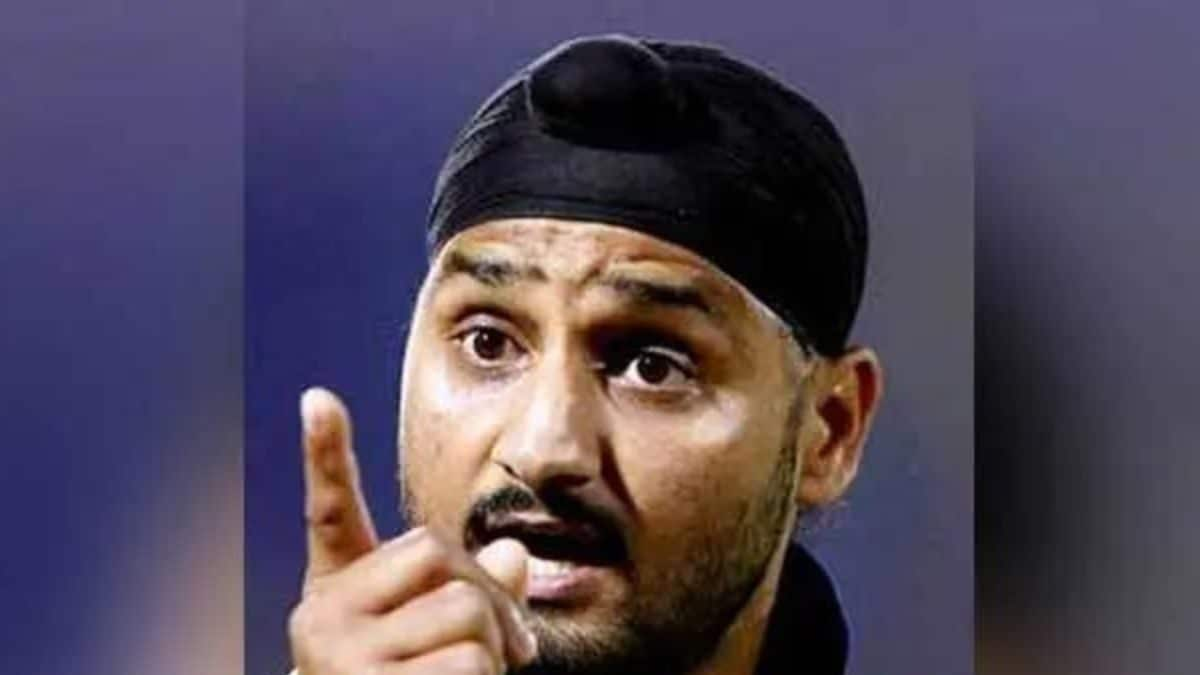
The ongoing tension between India and Pakistan regarding the 2025 ICC Champions Trophy has reached a fever pitch. Former Indian cricketer Harbhajan Singh, in a series of recent interviews, has weighed in on the controversy, expressing a somewhat indifferent stance toward Pakistan's potential absence from the tournament. His comments, delivered with a degree of bluntness, highlight the complex political and security concerns that overshadow the sporting event. Singh's assertion that Pakistan's non-participation 'won't make much of a difference to us' underscores the prevailing sentiment within certain segments of the Indian cricket establishment. This seemingly dismissive attitude, however, belies the underlying complexities of the situation and the significant implications for the sport itself.
The heart of the disagreement lies in India's refusal to tour Pakistan due to ongoing security concerns. These concerns, which have been heightened since 2022, cast a long shadow over the possibility of bilateral series and international matches being held in Pakistan. The Pakistan Cricket Board (PCB), in response, has demanded a hybrid model for all ICC events hosted in India until 2031. This proposal aims to ensure that Pakistan's team gets the opportunity to compete in major tournaments, even if it means some matches are played in neutral venues. Singh, while acknowledging the disappointment felt by Pakistani cricket fans, firmly advocates for the PCB to adopt a more flexible approach and set aside its 'ego' to ensure the smooth execution of the Champions Trophy.
Singh's perspective offers a glimpse into the broader geopolitical context framing the debate. His statements reflect the deeply entrenched anxieties and historical tensions that complicate relations between India and Pakistan. Beyond the sporting implications, this standoff represents a microcosm of the larger political dynamics influencing the region. The suggestion that players would readily compete in neutral locations like Abu Dhabi or Dubai hints at the practicality of a compromise solution while subtly emphasizing that the current impasse can be resolved through pragmatic diplomacy rather than rigid adherence to potentially unproductive positions.
The former cricketer's personal experiences touring Pakistan lend a poignant counterpoint to his rather firm stance. Singh recalls fondly the hospitality he received during his visits, describing the generosity and warmth of the people he encountered. These memories serve as a reminder of the human connections that transcend political divisions. Nevertheless, he maintains that the current security situation renders a tour to Pakistan untenable for the Indian team. This acknowledgment underscores the gravity of the security concerns, implicitly suggesting that sentimental ties cannot override legitimate safety considerations.
The absence of a concrete decision on a hybrid model with only three months remaining until the tournament's commencement reveals the considerable challenges in mediating the conflict. The 2025 ICC Champions Trophy, scheduled to begin on February 19th, hangs in the balance, with the official schedule yet to be announced. The uncertainty surrounding the participation of both teams casts a pall over the event, underscoring the extent to which political considerations can undermine the very spirit of international sport. The upcoming months will be crucial in determining whether a resolution can be reached, ensuring that the tournament proceeds without further disruption and that fans, regardless of nationality, can enjoy the spectacle of international cricket.
Harbhajan Singh's commentary, though seemingly dismissive at first glance, provides a crucial insight into the complex layers of the issue. His words reflect a combination of pragmatic considerations, security concerns, and a nuanced understanding of the human cost of the ongoing conflict. While his call for compromise ultimately serves to emphasize the need for a pragmatic solution to preserve the integrity of the ICC Champions Trophy, it also highlights the wider challenges in navigating the intricate political landscape that overshadows the sporting arena. The future of the tournament, and indeed the future of Indo-Pakistani cricketing relations, remains uncertain, awaiting the outcome of negotiations and the willingness of both parties to find common ground.
Source: 'If Pakistan Don’t Come To India, It Won’t...': Harbhajan Singh Issues Stern Warning To Pakistan