
 |
|
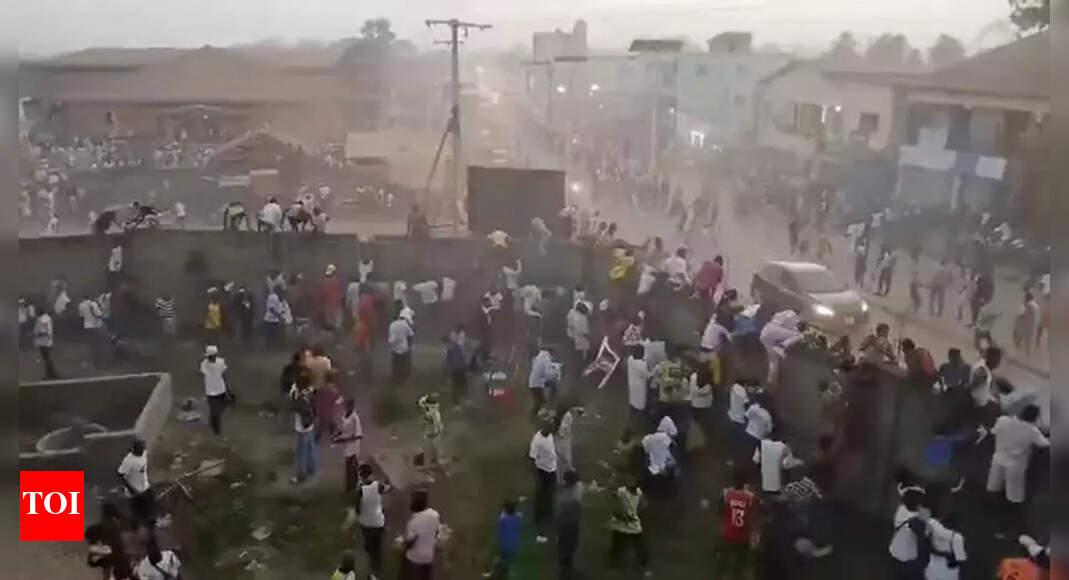
The tragic events that unfolded at the Nzerekore stadium in southern Guinea on Sunday underscore the devastating consequences of unchecked fan violence and inadequate security measures at sporting events. The stampede, which resulted in the deaths of 56 people, including children, and numerous injuries, paints a grim picture of the chaos that ensued during the local tournament final between Labe and Nzerekore. This incident serves as a stark reminder of the need for robust security protocols and crowd management strategies at such gatherings, particularly in regions with a history of political instability. The disputed penalty decision, which triggered the initial clashes between supporters, acted as a catalyst for the escalating violence. The use of tear gas by security forces, intended to control the unruly crowd, may have inadvertently exacerbated the situation, contributing to the panic and ensuing stampede. This incident highlights the importance of properly trained security personnel who can de-escalate situations without resorting to potentially harmful tactics. Furthermore, the lack of adequate crowd control measures within the stadium likely contributed to the tragic loss of life. Insufficient exit points, overcrowding, and poorly managed entry procedures could have created a bottleneck effect that prevented people from safely escaping the chaos. The event highlights the critical need for stadium design and management to prioritize crowd safety, including adequate emergency exits, clear signage, and trained personnel capable of managing large crowds effectively.
The incident in Guinea takes on a deeper significance when considering the political climate of the country. Guinea has been under military rule since the 2021 coup led by Mamadi Doumbouya, who ousted President Alpha Conde. The tournament itself was organized to honor Doumbouya, further intertwining the event with the nation’s turbulent political landscape. The opposition group, the National Alliance for Alternation and Democracy, criticized the tournament, viewing it as a tool for promoting Doumbouya’s political ambitions. This highlights the complex interplay between sports, politics, and social stability in Guinea. The event could be viewed as a symbol of the underlying tensions within Guinean society, a society grappling with the aftermath of a coup and struggling to navigate its path towards democratic stability. The government's swift response, including the announcement of an investigation, is a necessary step towards accountability and preventing future tragedies. However, a thorough and transparent investigation is crucial to identifying those responsible, addressing systemic issues that contributed to the stampede, and ensuring justice for the victims and their families. The investigation should consider the actions of security forces, stadium management, and potentially the organizers of the tournament itself.
The tragedy in Guinea is not an isolated incident. Similar incidents have occurred at sporting events around the world, underscoring the global nature of this problem. Effective crowd management and robust safety protocols are essential at large-scale gatherings, regardless of the country or context. This incident serves as a cautionary tale for stadium owners and organizers worldwide. It necessitates a critical review of security procedures and a commitment to prioritizing public safety. International organizations and governing bodies of sports should work together to create standardized guidelines for event security and crowd management. The sharing of best practices and the development of training programs for security personnel and event organizers are vital steps in preventing future tragedies. Moreover, addressing underlying societal tensions and promoting peaceful conflict resolution are essential in creating a safer environment for all. The loss of life in Guinea highlights the urgent need for a more concerted global effort to improve safety at sporting events, ensuring that the passion of the game does not lead to such heartbreaking consequences. The long-term impact of this tragedy extends beyond the immediate loss of life. It will undoubtedly impact the future of sporting events in Guinea, potentially leading to increased scrutiny of security measures and changes in how such events are managed. The psychological trauma experienced by survivors and witnesses will also require attention and support. The international community should offer assistance to Guinea in its recovery efforts, including providing resources for investigations, supporting the injured and bereaved, and assisting in the implementation of safer stadium practices.
Source: 56 killed in stampede due to clashes at soccer match in Guinea