
 |
|
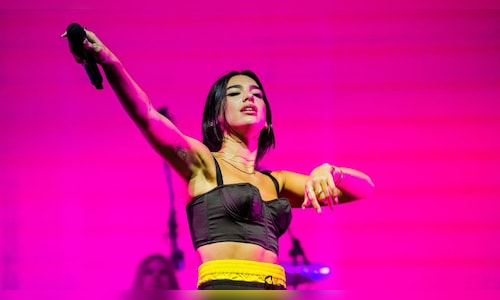
The recent performance by pop star Dua Lipa in Mumbai has ignited a significant controversy within the Indian music industry. During her concert, Lipa performed a mashup of her hit song 'Levitating' with the Bollywood track 'Woh Ladki Jo' from the 1999 film 'Baadshah'. While the performance itself garnered attention, the subsequent reaction from veteran playback singer Abhijeet Bhattacharya and his son, Jay, highlighted a long-standing issue regarding the recognition given to singers versus actors in Bollywood productions. The core of the controversy stems from the perceived lack of acknowledgment given to the original creators of 'Woh Ladki Jo' – composer Anu Malik, lyricist Javed Akhtar, and singer Abhijeet Bhattacharya himself. While Shah Rukh Khan, the actor featured in the film, received significant attention online and amongst concert attendees, the contributions of the musical artists were largely overlooked. This omission prompted Jay Bhattacharya to take to social media, expressing his frustration with the media’s and public’s focus on the actor rather than the creators of the music. His post sparked a wider debate on the inherent imbalance in how credit is distributed in the Bollywood industry.
Jay Bhattacharya's post, which criticized the media's and public's tendency to prioritize actors over singers, resonated with many who agreed with his sentiments. However, it also prompted counterarguments asserting that Shah Rukh Khan's star power is the primary reason behind the song's continued popularity. This highlights a complex dynamic in the Bollywood industry, where the visual appeal of actors often overshadows the contributions of other creative individuals involved in the production of a song. The ensuing debate on social media exposed a deeper-seated cultural preference for associating musical success with actors rather than the musicians themselves. The conversation extended beyond the immediate context of Dua Lipa's performance, opening a much broader discussion about the systemic inequalities faced by singers and other behind-the-scenes artists in the entertainment industry.
Abhijeet Bhattacharya, the original singer of 'Woh Ladki Jo', further fueled the controversy with an interview where he expressed his disappointment. He noted the irony of the situation, pointing out that while Dua Lipa performed the song, it was his voice that was actually being heard. He emphasized his lack of concern about Dua Lipa's acknowledgment, stating that his main frustration was with the public's and media's disregard for the original creators of the song. This response underscores the emotional impact of the situation for the artists involved and brings to light the often overlooked contributions of singers and composers. The widespread neglect in media coverage and public attention serves as a reminder that the success of Bollywood songs is rarely a solo effort and it is vital to recognize the collaborative nature of the work involved and give credit where it is due. Despite his initial frustration, Abhijeet Bhattacharya expressed a degree of contentment with the renewed popularity of the song. However, his comments also highlight the significant emotional toll on artists when their contributions are overlooked. This incident serves as a case study in broader issues surrounding recognition, authorship, and the commercialization of art in a rapidly changing digital landscape.
The incident involving Dua Lipa's performance and the subsequent reaction from Abhijeet Bhattacharya and his son offers valuable insights into the complexities of the Bollywood industry. The controversy underscores the need for a more balanced approach to credit distribution, where all the creators of a song, not just the actors, are appropriately recognized. The ensuing social media debate further highlighted the systemic inequalities within the industry, where visual appeal often overshadows other contributions. The case also raises questions about the impact of digital platforms and media coverage in shaping public perception and the role they play in fostering or neglecting the recognition of artists. Moving forward, it is crucial for both the industry and the public to address this imbalance. Increased public awareness of the contributions of musicians and other creative professionals could help to create a more equitable environment that values and respects the talents of all those involved in the creation of Bollywood music.
Source: Why Dua Lipa’s recent Bollywood act upset singer Abhijeet