
 |
|
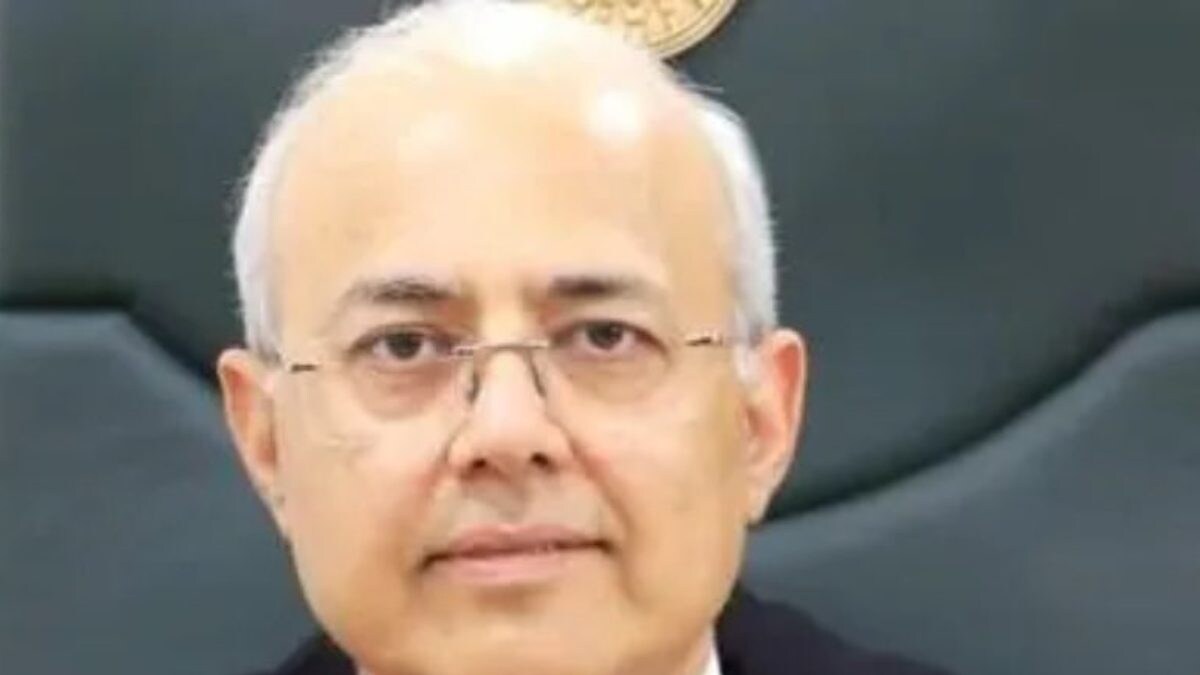
The Indian legal landscape witnessed a significant development on December 3, 2024, with the appointment of Delhi High Court Chief Justice Manmohan as a Judge of the Supreme Court of India. This appointment, announced by Law Minister Arjun Ram Meghwal, followed a formal process involving the President of India, Droupadi Murmu, and the Collegium system of the Supreme Court. The elevation of Justice Manmohan effectively reduces the number of vacancies in the apex court to a single position, addressing a pressing need for a fully constituted bench to handle the vast caseload. The news was disseminated swiftly across various media platforms, highlighting the significance of this judicial reshuffling within the Indian legal framework.
The appointment process underscores the established constitutional procedure for Supreme Court Judge selection. The President of India, empowered by the Constitution, makes the final appointment, but crucially, this decision follows a mandatory consultation with the Chief Justice of India (CJI). This consultation is pivotal, involving the CJI-led Collegium, a body of senior judges who evaluate the suitability of candidates based on their experience, judicial temperament, and overall competence. The Collegium, in this instance comprising CJI Sanjiv Khanna along with Justices B.R. Gavai, Surya Kant, Hrishikesh Roy, and Abhay S. Oka, reviewed Justice Manmohan's credentials and unanimously recommended his elevation. Their recommendation formed the basis for the President's final decision, ensuring a process that prioritizes merit and upholds the integrity of the judicial system.
Justice Manmohan's journey to the Supreme Court is a testament to his distinguished career in the judiciary. His tenure as Chief Justice of the Delhi High Court, commencing in September 2024, and his prior service as Acting Chief Justice, demonstrate his experience and capacity to handle complex legal matters and oversee the administration of a major High Court. His elevation represents not only a personal achievement but also a recognition of his contributions to the legal profession and the Indian judicial system. The appointment also carries broader implications for the Supreme Court's ability to address its case backlog efficiently and continue its role as the guardian of the Constitution. The addition of a highly qualified judge like Justice Manmohan is expected to bolster the court's judicial capabilities and ensure timely and effective resolution of cases.
Looking ahead, the remaining vacancy in the Supreme Court will likely be filled through a similar process involving the Collegium's deliberation and the President's appointment. The process of judicial appointments remains a subject of ongoing public discussion and debate, with various stakeholders expressing views on the optimal balance between maintaining the independence of the judiciary and ensuring transparency and accountability in the appointment process. The seamless transition and the swift resolution of this vacancy highlight the established mechanisms for maintaining the strength and effectiveness of the Indian judicial system. Justice Manmohan's elevation to the Supreme Court marks a crucial moment in the continuing evolution of the Indian legal system and underscores the importance of experienced and capable judges in upholding the rule of law and ensuring justice for all.
The significance of this appointment extends beyond the simple filling of a vacancy. It highlights the rigorous process by which judges are elevated to the Supreme Court, emphasizing meritocracy and the importance of ensuring the highest standards of judicial excellence. The rigorous evaluation process, the consultation with the CJI, and the President's ultimate decision all play crucial roles in upholding the independence and integrity of the Indian judiciary. The appointment also signals a continuing effort to address the challenges faced by the Supreme Court, including the management of its caseload and the need for a fully constituted bench to efficiently administer justice. The addition of Justice Manmohan brings a wealth of experience and expertise to the Supreme Court, strengthening its capacity to tackle the complex legal issues that come before it.
Finally, the public announcement of the appointment, facilitated by the Law Minister's statement on social media, reflects a growing trend towards increased transparency and public engagement in judicial matters. This transparency is essential for maintaining public trust and confidence in the integrity and impartiality of the judicial system. The public's understanding of the processes involved in judicial appointments is crucial for reinforcing the role of the judiciary as an independent and essential pillar of democracy. The timely and efficient appointment of Justice Manmohan provides a reassuring example of the functioning of this crucial aspect of the Indian governmental system. The ongoing focus on maintaining the strength and effectiveness of the Supreme Court underscores the commitment to upholding the rule of law and ensuring access to justice for all citizens of India.
Source: Delhi High Court Chief Justice Manmohan Elevated As Supreme Court Judge