
 |
|
The aftermath of Cyclone Fengal in Tamil Nadu and Puducherry has prompted a comprehensive damage assessment by a central inter-ministerial team. The team, led by Rajesh Gupta, Joint Secretary of the Ministry of Home Affairs, arrived in Chennai on Friday and immediately began coordinating with state officials. Their initial meeting with Chief Minister M.K. Stalin served to finalize the inspection sites across the severely affected districts. The scale of the devastation is substantial, impacting fourteen districts, with at least half experiencing catastrophic levels of damage. To ensure efficient assessment of this widespread damage, the team is expected to divide into smaller groups to cover the affected areas systematically. The inspection is planned for Saturday and Sunday, covering key districts such as Villupuram, Cuddalore, Kallakurichi, Tiruvannamalai, Dharmapuri, and Krishnagiri in Tamil Nadu, as well as the Union Territory of Puducherry.
The Tamil Nadu government has already submitted an initial damage assessment report, requesting a substantial Rs 2,475 crore in relief funds. This follows an earlier request by Chief Minister Stalin for Rs 2,000 crore in interim relief. The central government has already sanctioned Rs 944 crore as interim relief for the flood-affected areas, demonstrating a swift initial response to the crisis. The detailed assessment conducted by the central team will undoubtedly inform further allocation of funds. The team's findings will be crucial in determining the extent of additional financial assistance required for reconstruction and rehabilitation efforts. The composition of the team highlights the multi-faceted nature of the damage, with representatives from various ministries including Agriculture, Finance, Jal Shakti, Road Transport, Power, and Rural Development ensuring a holistic evaluation.
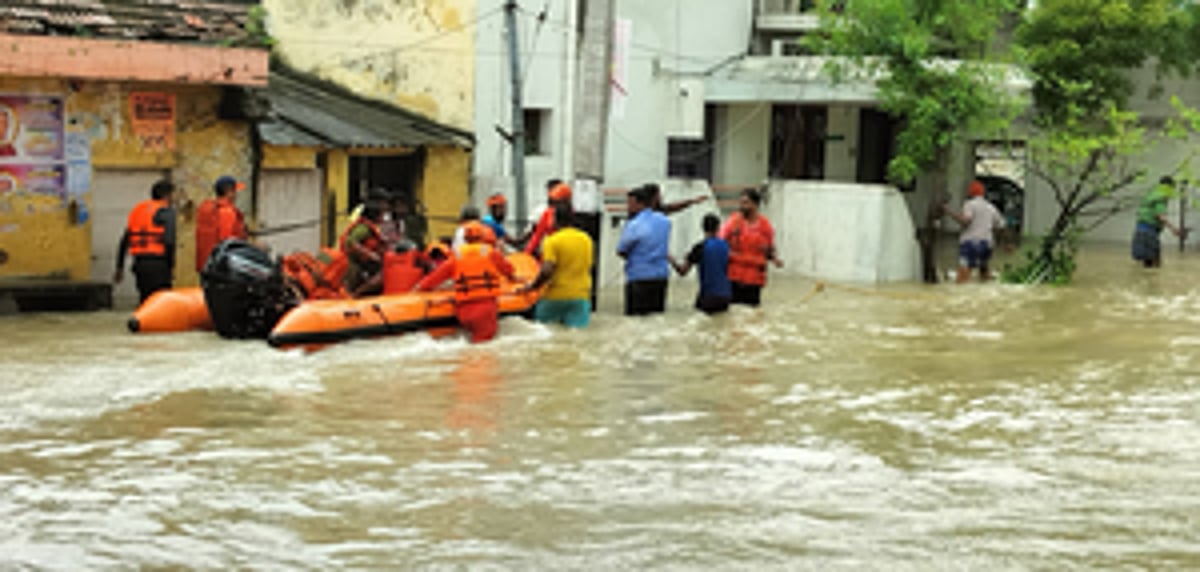
The human cost of Cyclone Fengal is staggering. The cyclone directly affected an estimated 1.5 crore people across the fourteen affected districts, displacing a shocking 69 lakh families. The loss of life stands at 40 fatalities, a grim reminder of the destructive power of the storm. Beyond the human toll, the cyclone caused significant damage to infrastructure and agriculture. Heavy rainfall exceeding 50 centimeters in a single day submerged several districts, crippling transportation networks, damaging homes, and wiping out crops. Furthermore, the storm claimed 3,000 head of cattle and 2.5 lakh poultry, significantly impacting the livelihoods of many farmers and rural communities. The extent of damage to infrastructure, agricultural land, and livestock necessitates a thorough and comprehensive assessment to accurately gauge the needs for recovery and rebuilding.
The Disaster Management Act of 2005 plays a critical role in providing a framework for disaster response and recovery. The State Disaster Response Fund (SDRF) serves as the primary source of funding for states during disasters. The central government's contribution to the SDRF varies depending on the state’s classification—75 percent for general category states and 90 percent for special category states and union territories. In situations where the SDRF is insufficient to address the magnitude of a disaster, as is the case with Cyclone Fengal, the National Disaster Response Fund (NDRF) steps in to provide supplemental funding. However, the efficient disbursement of NDRF funds hinges on the timely submission of utilization certificates by the affected states, ensuring transparency and accountability in the allocation of resources. The current situation underscores the importance of effective coordination between state and central governments to ensure a timely and efficient response to such devastating natural events.
The visit of the central team is a significant step in the ongoing recovery efforts. The comprehensive assessment of damage will provide a clearer picture of the needs of the affected communities. This detailed assessment will form the basis for formulating effective recovery and reconstruction strategies. The government's swift response, both in terms of providing initial relief funds and deploying the assessment team, indicates a commitment to supporting the affected population in rebuilding their lives and restoring normalcy. The ensuing reconstruction phase will require substantial resources and coordinated efforts between the central and state governments, as well as the active participation of NGOs and international aid organizations. The long-term recovery process will be a test of the resilience of the affected communities and the efficacy of disaster management systems in the region. The lessons learned from responding to Cyclone Fengal will be crucial in improving preparedness and response mechanisms for future natural disasters.
Source: Cyclone Fengal: Central team to assess damage in TN, Puducherry