
 |
|
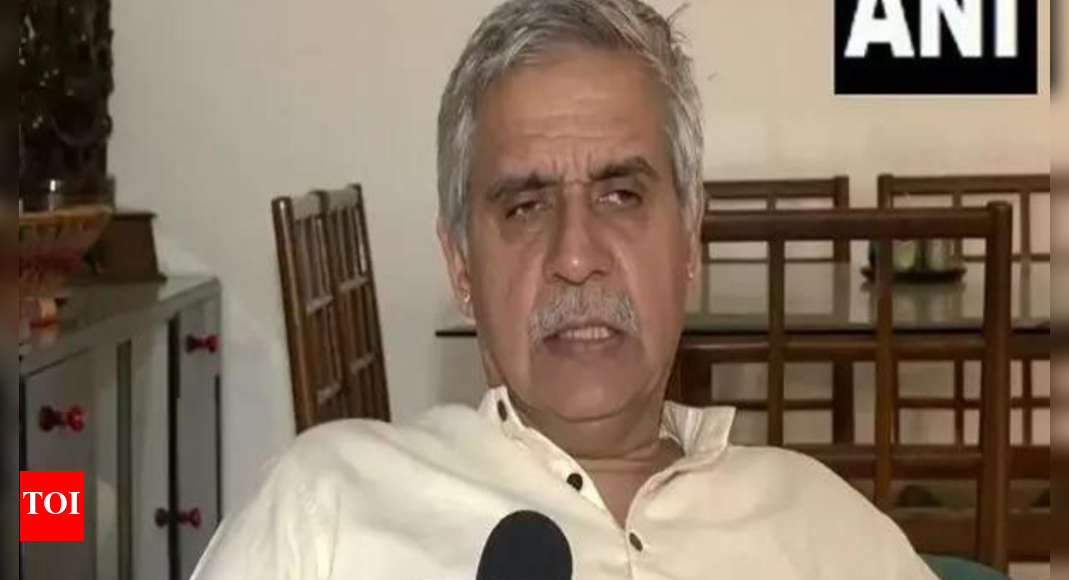
The upcoming Delhi assembly elections are shaping up to be a fiercely contested battle, with the Congress party firmly rejecting any possibility of an alliance with the Aam Aadmi Party (AAP). This decisive stance, articulated by Congress leader Sandeep Dikshit, stems from a deep-seated dissatisfaction with AAP's ten-year governance of Delhi. Dikshit's sharp criticism paints a picture of a city marred by alleged mismanagement and unmet expectations under AAP's rule, a narrative echoed by other Congress members. The rejection of an alliance isn't merely a political maneuver; it's a strong statement reflecting a profound ideological chasm and a belief that aligning with AAP would compromise the Congress party's principles and standing among Delhi's electorate. The sentiment expressed by Dikshit underscores a significant challenge for AAP, as it navigates the political landscape without a potential alliance that could have broadened its electoral base.
The Congress party's decision to reject an alliance is further bolstered by statements from other prominent figures within the party. Udit Raj's questioning of Kejriwal's assertion about the non-existence of alliance talks highlights an internal consistency within the Congress party's strategy. By emphasizing that the party president, Devender Yadav, had already publicly declared a no-alliance policy, Raj underscores the clarity and firmness of Congress's stance. This strategic move aims to dispel any ambiguity and preempt any attempts by AAP to portray the Congress party as wavering in its commitment. The consistent messaging from various Congress leaders strengthens their position and makes it increasingly difficult for AAP to leverage any perceived uncertainty or internal divisions within the Congress.
Kejriwal's reiteration of AAP's commitment to a solo electoral contest in Delhi adds another layer of complexity to the political dynamic. His statement, delivered during a press conference, solidifies AAP's strategy of focusing on its own strengths and grassroots support base. This approach suggests a confident strategy, possibly premised on AAP's existing popularity and strong voter base in Delhi. However, rejecting an alliance also carries potential risks. The absence of a coalition could lead to a more fragmented opposition vote, potentially benefiting other political players and making it more challenging for AAP to achieve a clear majority. This decision underscores AAP's confidence in its ability to win independently and is likely a calculated risk based on its assessment of the current political climate and the electorate's sentiment.
The backdrop of this political maneuvering is the context of Delhi's development and governance over the past decade. Congress's criticism of AAP's ten-year rule focuses on specific aspects of governance that are presented as failures by the Congress. These allegations, if substantiated, could sway public opinion against AAP. However, AAP is likely to counter these criticisms with its own achievements and successes during its tenure. This narrative clash will define the election campaign's core issues and provide voters with contrasting visions of Delhi's future. The addition of Awadh Ojha, a prominent UPSC coach, to the AAP further highlights the ongoing efforts to strengthen the party's position ahead of the election, drawing on a different segment of the population to build support. The election will be a crucial test of public opinion on AAP's governance record and the Congress' alternative vision.