
 |
|
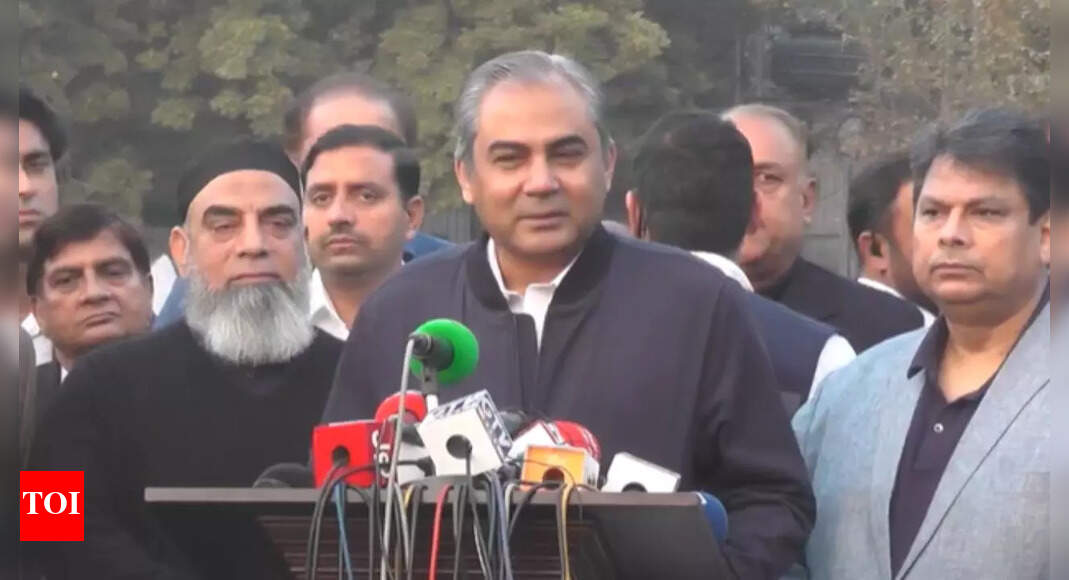
The future of the 2024 Champions Trophy hangs in the balance, shrouded in uncertainty following the postponement of a crucial International Cricket Council (ICC) meeting. This development casts a significant shadow over the tournament, scheduled to be held in Pakistan from February 19th to March 9th. The primary obstacle is the Board of Control for Cricket in India (BCCI)'s steadfast refusal to send its team to Pakistan, a decision that has thrown the entire event into jeopardy. The Pakistan Cricket Board (PCB) chairman, Mohsin Naqvi, while confirming the postponement of the ICC meeting, remained tight-lipped about the specifics, emphasizing the ongoing nature of negotiations and his commitment to securing the best possible outcome for both Pakistan and international cricket. His careful approach underscores the sensitivity of the situation and the high stakes involved.
The strained relationship between the cricket boards of India and Pakistan has been a long-standing issue, with the last bilateral series between the two cricketing giants taking place in 2012. Since then, encounters have been limited to ICC tournaments and the Asia Cup, a stark contrast to the once-frequent bilateral series that characterized their cricketing rivalry. Pakistan's participation in the ICC World Cup in India last year had raised hopes of a reciprocal tour by India for the Champions Trophy, but this expectation remains unfulfilled, adding another layer of complexity to the already tense situation. The lack of bilateral series highlights the deep-seated political tensions that extend beyond the realm of sports, significantly influencing the decision-making processes of both cricketing bodies.
The current impasse has led to the emergence of a hybrid model as the only viable solution to salvage the Champions Trophy. This model, although not explicitly detailed, likely involves staging some matches in a neutral venue to accommodate India's reluctance to travel to Pakistan. However, the PCB's unwavering insistence on 'equal terms' for both participating nations presents a significant challenge in finalizing this compromise. This commitment to fairness underlines Pakistan's desire for a level playing field and their unwillingness to make significant concessions that might be seen as undermining their cricketing integrity and their standing within the international cricketing community. The negotiations are further complicated by the involvement of the newly appointed ICC chief, Jay Shah, whose role in mediating this dispute remains unclear.
The pressure is mounting, especially with broadcasters reportedly urging the ICC to release the tournament schedule. The proximity of the tournament, less than three months away, adds to the urgency of resolving the deadlock. The lack of a concrete decision is causing significant uncertainty, potentially impacting broadcasting contracts, sponsorship deals, and the overall planning and logistical arrangements for the event. Delaying the announcement further risks damaging the credibility of the ICC and casts doubts on its ability to effectively manage such high-profile international events. The success of the Champions Trophy is not just about cricket; it is also a test of the ICC's ability to navigate complex political dynamics and ensure the smooth running of its flagship tournaments.
The situation highlights the intricate interplay between politics and sports, where geopolitical tensions can significantly disrupt even the most eagerly anticipated sporting events. The outcome of these negotiations will have far-reaching consequences, not only for the Champions Trophy itself but also for future bilateral series between India and Pakistan and the overall health and stability of international cricket. The PCB’s commitment to achieving the best possible outcome demonstrates a delicate balance between national pride, sporting integrity, and the broader interests of international cricket. Whether a compromise can be reached before the tournament's scheduled start remains uncertain, adding an air of suspense to this critical juncture in the history of Indo-Pakistani cricketing relations.
Source: PCB chairman Mohsin Naqvi refuses to comment on 2025 Champions Trophy deadlock