
 |
|
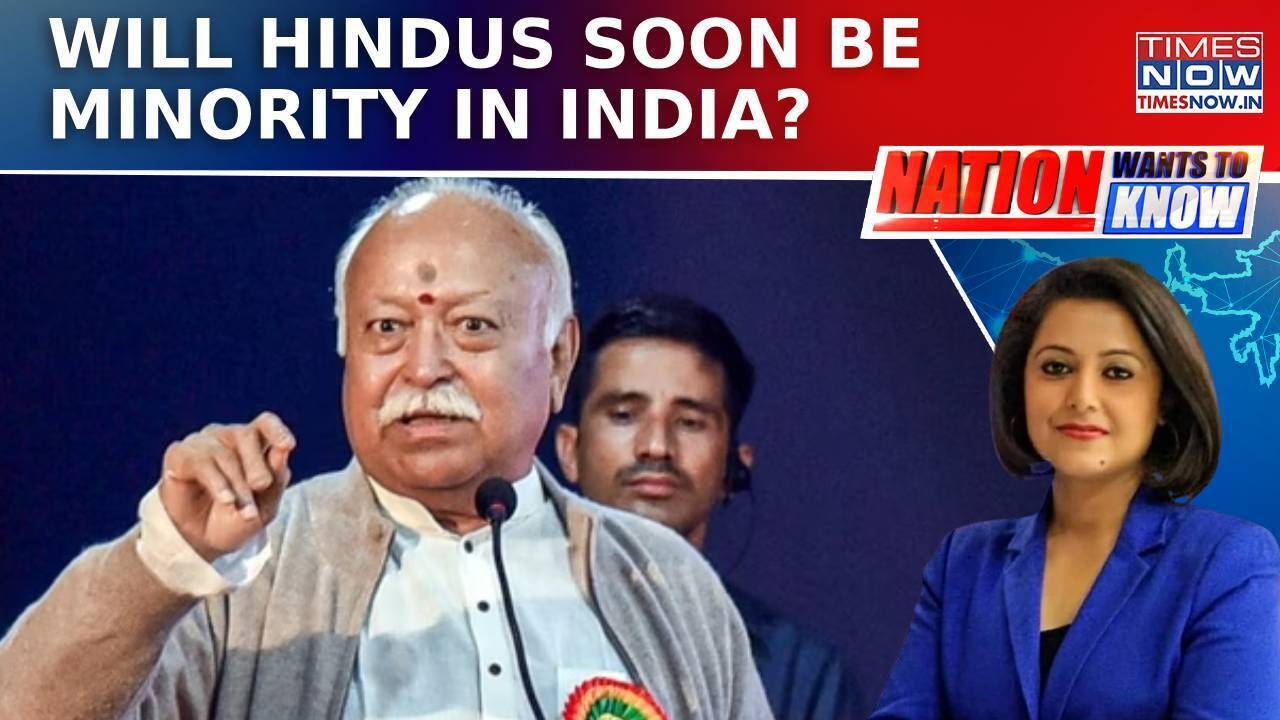
The recent statement by RSS chief Mohan Bhagwat advocating for a three-child norm has ignited a firestorm of controversy across India's political landscape. His remarks, delivered within the context of concerns surrounding India's demographic future, suggest a need for families to have at least three children to maintain population stability. Bhagwat's justification hinges on demographic science, emphasizing the importance of a robust population for the nation's survival and continued progress. This perspective, however, directly clashes with existing government policies and initiatives aimed at population control and family planning, creating a complex and multifaceted debate.
The immediate and perhaps most vocal response came from AIMIM chief Asaduddin Owaisi, who sharply criticized Bhagwat's statement, framing it within the context of broader concerns about the BJP-RSS's alleged Hindu nationalist agenda. Owaisi's critique highlights the inherent religious and political undertones embedded within the population debate, suggesting that Bhagwat's call for a three-child norm is not solely a demographic consideration but carries significant implications for India's religious and social fabric. This counter-narrative frames the debate as not simply about population numbers but also about power dynamics and the representation of different communities within Indian society. The differing perspectives underscore the deeply sensitive nature of the population issue in India, a nation characterized by its immense diversity and historical tensions.
The controversy surrounding Bhagwat's statement extends beyond the immediate exchange between him and Owaisi. It touches upon several critical aspects of Indian society, including the role of religion in public discourse, the efficacy of government policies aimed at population control, and the broader socio-economic implications of population growth. Experts are divided on the issue, with some supporting Bhagwat's argument based on long-term demographic projections and the potential for a shrinking workforce in the future. Others express concerns about the potential for discriminatory practices targeting minority communities and the need to focus on empowering women and providing access to education and healthcare as more effective solutions for managing population growth. The debate therefore transcends simple numbers, becoming a platform for discussions about social justice, economic development, and the future of India itself. The lack of a unified approach underscores the challenge of balancing competing interests and perspectives on an issue as complex and sensitive as population management in a diverse nation like India.
Furthermore, the debate highlights the ongoing tension between different ideologies and political parties within India. The differing viewpoints expressed by Bhagwat and Owaisi reflect broader societal divisions and underscore the deeply political nature of discussions surrounding demographic changes. The controversy also serves as a reminder of the complex interplay between religion, politics, and social policy in shaping the future of India. The statement has reignited a conversation about the nation's population dynamics, prompting a critical examination of existing policies and sparking a discussion about the ideal path towards sustainable population growth and development.
Looking forward, the controversy necessitates a broader and more inclusive discussion involving all stakeholders. The focus must shift from simplistic numerical targets to a holistic approach addressing the underlying social, economic, and educational factors influencing population dynamics. This requires addressing issues such as gender equality, access to healthcare and education, and economic empowerment, particularly for women. Only a comprehensive strategy that acknowledges and respects the diversity of India's population can pave the way towards sustainable and equitable population management. Ultimately, the debate triggered by Bhagwat's statement serves as a potent reminder of the multifaceted challenges facing India and the importance of engaging in respectful and informed dialogue to navigate a path towards a stable and prosperous future.
Source: RSS Chief Mohan Bhagwat's '3 Child Norm' Pitch, AIMIM Chief Owaisi Mocks BJP-RSS| NWTK