
 |
|
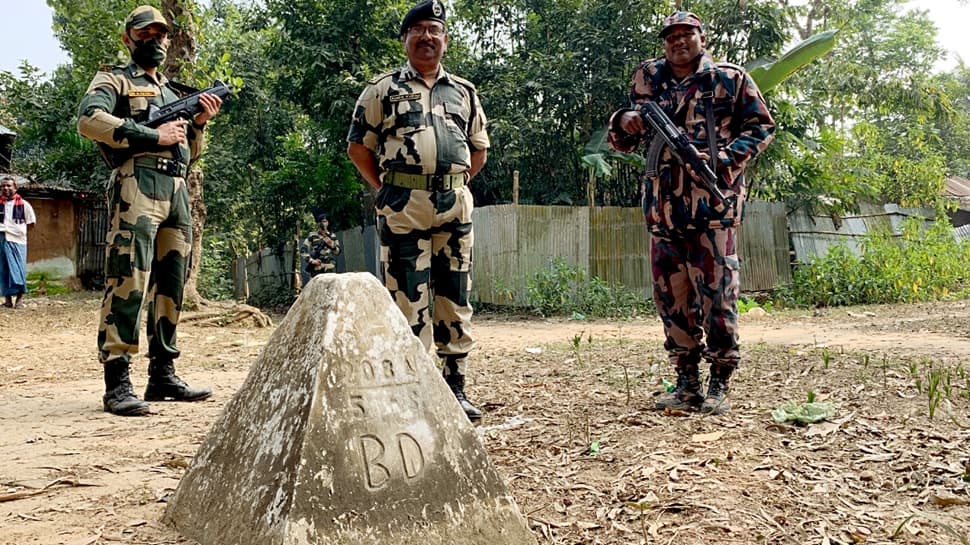
The recent incident involving the Bangladesh Border Guards (BGB) entering Indian territory and halting the renovation of a temple in Assam's Sribhumi district highlights escalating tensions between the two nations. The action, undertaken by BGB soldiers who arrived via speedboat from Bangladesh, represents a significant breach of India's sovereignty and underscores the increasingly complex relationship between the two countries. The incident, reported by the Times of India, occurred on Thursday, immediately sparking a response from the Indian Border Security Forces (BSF). The swift intervention of the BSF, culminating in a commandant-level flag meeting, prevented further escalation and ultimately led to the resumption of the temple renovation work. However, the underlying issues highlighted by this event require deeper analysis, especially given the broader geopolitical context of the region and the current political climate within Bangladesh.
The article’s claim that Bangladesh under the Yunus government is shifting towards Pakistan and China, and that radical Islamic elements are increasingly influential, presents a concerning narrative. While the connection between this assertion and the specific border incident isn't explicitly stated, it implies a possible link between internal political instability in Bangladesh and its actions towards India. The alleged discrimination and threats against Hindus within Bangladesh further complicate the situation, adding a layer of religious and humanitarian concern to the existing territorial disputes. The lack of acknowledgement from the Yunus government regarding these allegations suggests a pattern of denial and disregard for the well-being of its Hindu population, potentially fueling further distrust and tensions with neighboring India. The unresolved issues within Bangladesh, including the ongoing protests and the reported rise of Islamist influence, create an environment that could easily lead to further instances of border incursions and escalation of conflict.
The incident at the Manasa temple, situated near the Kushiyara River, underscores the vulnerability of border regions with porous boundaries. The 4-kilometer unfenced section of the border within Sribhumi town, coupled with the riverine terrain, creates opportunities for unauthorized crossings and potential for future incidents. The fact that the temple renovation, sanctioned by the Assam government, was interrupted highlights the immediate impact of such incursions on local communities and ongoing development projects. The swift resolution, thanks to the BSF's intervention and the flag meeting, is a testament to the importance of diplomatic channels in de-escalating border conflicts. However, it does not address the underlying causes of the incident. The lack of clear communication and potential misinterpretations of the temple renovation project likely contributed to the BGB's actions. Furthermore, the broader geopolitical context, including increasing regional competition and the evolving relationships between India, Bangladesh, Pakistan, and China, must be considered to understand the full scope of this incident and its potential implications for regional stability.
Moving forward, both India and Bangladesh need to work towards strengthening their border management mechanisms. This includes improving communication and cooperation between the BSF and BGB to prevent misunderstandings and avoid future incidents. Investing in infrastructure, particularly completing the fencing along the border, would enhance security and reduce the risk of unauthorized crossings. Addressing the underlying political and social issues within Bangladesh, particularly the alleged persecution of minorities and the rise of radical elements, is crucial for long-term stability and improving relations with India. The international community also has a role to play in encouraging dialogue and promoting peaceful resolution of disputes between the two countries. Fostering mutual understanding and respect is essential to ensure peace and stability in the region. The incident serves as a stark reminder of the ongoing need for collaborative efforts to resolve border disputes and protect the rights and security of all citizens residing in the border regions.
Source: Bangladesh Border Guards Enter Indian Territory, Halt Temple Renovation in Assam