
 |
|
The recent impact of Cyclone Fengal has brought to light the complex interplay between public safety, educational continuity, and parental concerns. While parts of Tamil Nadu experienced school closures due to heavy rainfall associated with the cyclone, the situation in Bangalore, Karnataka, presented a different scenario. Despite a yellow alert signifying the potential for significant weather impacts, schools in Bangalore remained open, prompting a wave of online discussion and debate among parents and citizens. This decision by the Karnataka government and local school authorities underscores the challenges involved in balancing the potential risks of inclement weather with the disruption caused by school closures. The debate highlights the lack of a uniform approach to school closures in the face of natural disasters across different states and regions in India.
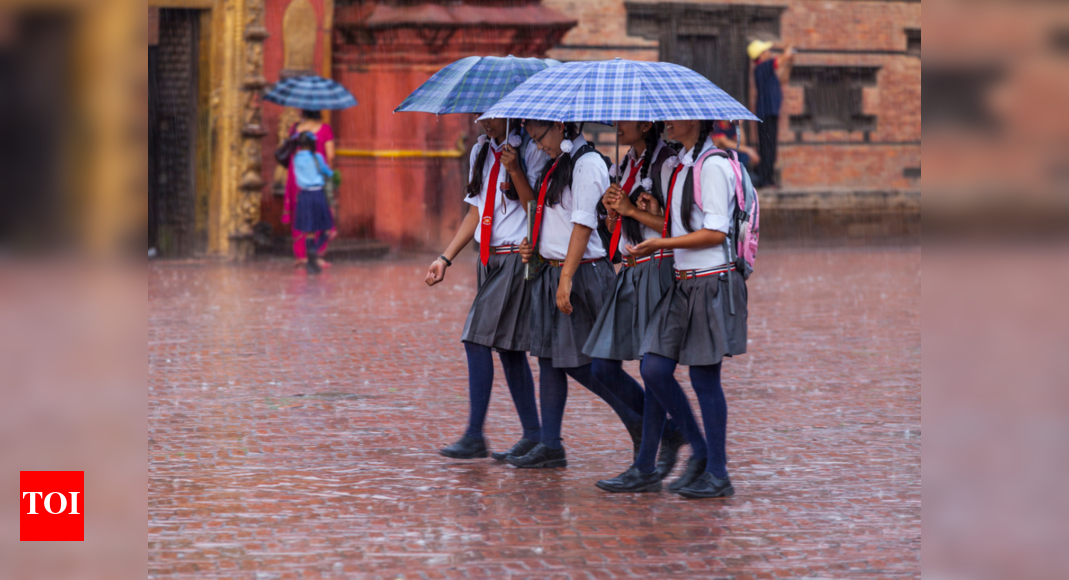
The decision to keep Bangalore schools open during the yellow alert was met with mixed reactions. Many parents expressed concerns about the safety of their children commuting to and from school in heavy rain. Images and videos circulating on social media depicted flooded streets and challenging travel conditions, raising valid questions about the appropriateness of expecting children to navigate such environments. Conversely, some argued that closing schools would disrupt the academic calendar and create unnecessary logistical challenges for working parents. This division of opinion illustrates the inherent difficulty in making decisions that address the needs and concerns of a diverse population, particularly when balancing safety concerns with the disruption of daily routines.
The incident highlights the need for more transparent and clear guidelines regarding school closures in the face of natural disasters. Currently, the decision-making process appears fragmented, with varying thresholds and criteria used by different authorities across different states. Standardized protocols and communication channels would improve the consistency and clarity of information provided to parents and students, reducing confusion and anxiety. A more robust system that considers factors such as the intensity of the weather event, the accessibility of schools, and the availability of alternative learning options could better address the complexities of this issue. This incident also necessitates a review of safety measures in schools and the surrounding infrastructure to ensure that children are protected during adverse weather events.
The online discussions further reveal the growing role of social media in shaping public opinion and influencing decision-making processes. The rapid spread of information and images related to the weather conditions and the school situation created a sense of urgency and amplified the concerns of parents. This underscores the need for authorities to engage proactively with online platforms and actively address public concerns, providing timely updates and explanations for their decisions. Effective communication, particularly during crisis situations, is crucial to building trust and managing expectations. The incident underscores the importance of integrating social media monitoring into emergency preparedness strategies to gauge public sentiment and adapt responses accordingly.
Looking ahead, the experience of Bangalore's schools remaining open during the yellow alert provides valuable lessons for future disaster preparedness. A more comprehensive risk assessment framework, incorporating various factors like weather forecasts, local infrastructure conditions, and transportation challenges, is vital. Furthermore, regular drills and training exercises can help schools develop effective contingency plans for handling emergency situations. Open communication channels between schools, parents, and authorities are crucial to ensure a coordinated and responsive approach to managing the disruption caused by severe weather events. By learning from this experience, India can strive to create a more robust and resilient system that prioritizes both the safety and education of its children.