
 |
|
The Akal Takht, the highest temporal seat of Sikhism, issued a significant religious punishment ('tankhah') against Sukhbir Singh Badal, former Deputy Chief Minister of Punjab, and other leaders of the Shiromani Akali Dal (SAD). This action stems from alleged 'mistakes' committed by the SAD government during its tenure from 2007 to 2017. The punishment, pronounced by Giani Raghbir Singh, Jathedar of the Akal Takht, involves a range of tasks designed to demonstrate remorse and perform community service. The severity of the punishment underscores the gravity of the accusations against the SAD leadership, highlighting the significant impact the actions of the party had on the Sikh community and its religious beliefs.
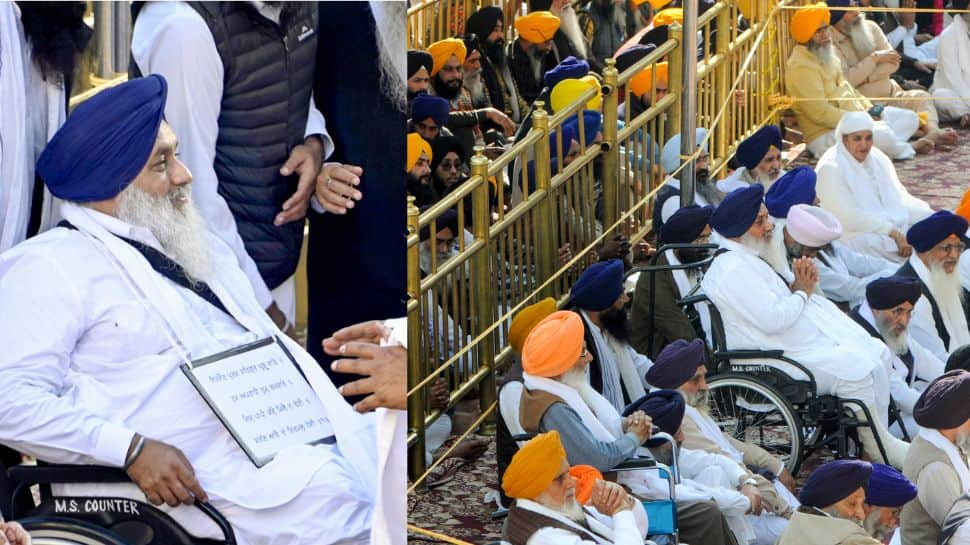
Central to the punishment is the directive for Sukhbir Badal to serve as a 'sewadar,' a volunteer servant, at the Golden Temple in Amritsar. This involves tasks such as washing dishes, cleaning shoes, and notably, cleaning toilets. This highly visible and humbling act of service aims to publicly demonstrate the leaders' repentance and their willingness to atone for their past actions. The choice of the Golden Temple as the location for this penance is significant, given its immense religious importance and reverence within the Sikh community. The assignment is not merely symbolic; it's a direct confrontation with the very heart of Sikh beliefs and practices.
Beyond the personal penance assigned to Sukhbir Badal, the Akal Takht also announced the withdrawal of the 'Fakhre-e-Qaum' (Pride of the Nation) title previously bestowed upon his late father, Parkash Singh Badal, former Chief Minister of Punjab. This revocation further emphasizes the breadth of the condemnation and the seriousness with which the Akal Takht views the actions of the SAD government. Additional punishments were levied against other Akali leaders who served as ministers or core committee members during the same period, underscoring the collective responsibility attributed to the party's leadership for the alleged wrongdoings.
The specific 'mistakes' cited by the Akal Takht include the pardoning of Dera Sacha Sauda chief Gurmeet Ram Rahim Singh in a 2007 blasphemy case. This act remains a highly contentious issue within the Sikh community and has been a source of significant criticism directed at the SAD government. The Akal Takht's decision to impose this punishment highlights the ongoing sensitivity surrounding this event and underscores the lasting impact of the government's actions. The detailed nature of the punishments, involving specific timeframes and tasks, underscores the Akal Takht's intent to ensure accountability and public acknowledgment of the transgressions.
Sukhbir Badal’s acceptance of the mistakes before the pronouncement of the edict indicates a degree of cooperation with the Akal Takht’s process. However, the severity of the punishment reflects the deep-seated concerns within the Sikh community regarding the actions of the SAD government. The public nature of the punishment ensures widespread awareness and serves as a potential deterrent to future instances of what the Akal Takht deems to be religious misconduct. The incident has sparked considerable debate and discussion within the Sikh community and the broader political landscape of Punjab, highlighting the ongoing tensions and complexities within the religious and political spheres.
The Akal Takht’s decision raises questions about the balance between religious authority and political accountability. The involvement of the religious body in addressing political grievances raises important issues about the intersection of religion and politics in Punjab. The extent to which the punishment serves as an effective mechanism for accountability and reconciliation within the Sikh community remains to be seen. However, it is undoubtedly a powerful statement underscoring the authority and influence of the Akal Takht within the Sikh faith and political dynamics of Punjab.
The use of symbolic acts of penance, such as cleaning toilets, highlights the cultural significance of humility and service within Sikhism. It's a stark contrast to the positions of power previously held by the punished leaders and serves as a potent reminder of the importance of religious values and community service. The case raises broader questions about the role of religious institutions in holding political leaders accountable and the ongoing tensions between religious and political authority in a complex society like Punjab. The events are certain to continue to shape the political discourse and religious landscape of the region for some time to come.
The inclusion of other Akali leaders in the punishment highlights the collective nature of the responsibility attributed to the party leadership. The detailed directives regarding specific times and tasks underscore the seriousness with which the Akal Takht intends to see the punishments carried out. It raises questions about the effectiveness of such punishments in achieving genuine reconciliation and addressing the root causes of the perceived transgressions. The incident also underscores the complexities of managing the intersection of religious and political power within a society steeped in tradition and faith.
The physical limitations of Sukhbir Badal and Sukhdev Singh Dhindsa, who participated in the penance while in wheelchairs due to health issues, add another layer to the narrative. It highlights the potential challenges in enforcing such punishments while considering individual circumstances. The entire affair offers a compelling case study on the dynamics of religious authority, political accountability, and the complexities of reconciliation within a deeply religious community. It highlights the continuing importance of religious institutions in shaping social and political landscapes.
Finally, the article's conclusion notes that this punishment was issued nearly three months after Sukhbir Badal was declared 'tankhaiya' (guilty of religious misconduct), highlighting a process that involved investigation and deliberation before the ultimate punishment was decided. The timeline underscores the seriousness with which the Akal Takht approaches such matters and emphasizes the gravity of the accusations made against the SAD leadership. The entire episode underscores the ongoing challenges in balancing religious principles with political realities within the vibrant and complex societal fabric of Punjab.
Source: Why Punjab Ex-Deputy CM Sukhbir Badal Was Asked To Clean Toilets At Golden Temple?