
 |
|
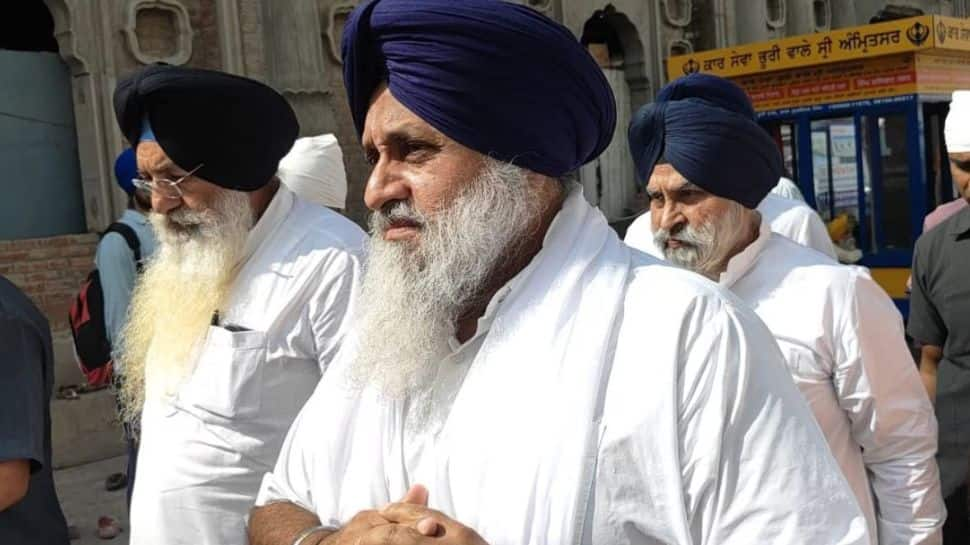
The Akal Takht, the highest temporal seat of Sikhism, has delivered a significant religious punishment ('tankhah') to Sukhbir Singh Badal, former Deputy Chief Minister of Punjab. This decision follows allegations of misconduct and failures during the Shiromani Akali Dal (SAD) government's tenure from 2007 to 2017. The punishment, issued by Jathedar Giani Raghbir Singh, serves as a response to a series of controversies and perceived failures to address crucial issues within the Sikh community, notably the handling of the 2015 sacrilege incidents and the controversial pardon of Dera Sacha Sauda chief Gurmeet Ram Rahim Singh in a blasphemy case. This pardon, granted during the SAD’s rule, sparked widespread outrage and remains a central point of contention within the Sikh community. The gravity of the situation is underscored by the fact that this punishment comes three months after Badal was initially declared 'tankhaiya' for religious misconduct.
The specifics of the punishment are multi-faceted and symbolic. Sukhbir Badal, currently using a wheelchair due to a leg fracture, along with rebel leader Sukhdev Singh Dhindsa, has been ordered to perform 'sewadar' duties, including cleaning utensils and shoes at the Golden Temple in Amritsar for a designated period. This act of service, performed in a visible manner, carries significant weight within Sikh tradition and serves as a public acknowledgement of responsibility. The punishment also mandates that they sit outside the Golden Temple dressed as 'sewadars' for one hour on each of two consecutive days. Further, they face a similar requirement to serve and engage in cleaning duties at other prominent Sikh Takhts, including Takht Kesgarh Sahib, Takht Damdama Sahib, Darbar Sahib in Muktsar, and Fatehgarh Sahib, extending the penitential work across various significant sites.
Beyond the personal penance, the Akal Takht’s judgment extends to broader leadership changes within the Shiromani Akali Dal. The verdict mandates the acceptance of Sukhbir Badal’s resignation as party president. The working committee of the SAD has been instructed to organize elections for the post of SAD president and other office-bearers within the next six months. This directive highlights the Akal Takht's authority extending beyond individual accountability to the overall governance and conduct of the political party. Furthermore, the decision strips Sukhbir Badal’s late father, former Chief Minister Parkash Singh Badal, of the prestigious 'Fakhre-e-Qaum' (Pride of the Nation) title, a testament to the profound implications of the Akal Takht's judgment. The revocation signifies a sweeping condemnation of the SAD's actions during its tenure.
The religious punishment isn't solely targeted at Sukhbir Badal. Other Sikh leaders who served as ministers in the Akali Cabinet between 2007 and 2017 also face penalties. These include prominent figures like Sucha Singh Langah, Hira Singh Gabria, Balwinder Singh Bhundar, Daljit Singh Cheema, and Gulzar Singh Ranike. Their punishments involve cleaning washrooms and utensils at the Golden Temple, again emphasizing the collective responsibility for the perceived failings of the SAD government. The inclusion of rebel leaders such as Sukhdev Singh Dhindsa, Bibi Jagir Kaur, Prem Singh Chandumajra, and Surjit Singh Rakhra in the sanctions demonstrates the breadth of the Akal Takht’s response and its reach across factions within the SAD.
The Akal Takht’s decision underscores the deep-seated concerns within the Sikh community regarding the handling of sensitive issues during the SAD government’s previous tenure. The perceived mishandling of the 2015 sacrilege incidents and the controversial pardon of Gurmeet Ram Rahim Singh stand as key factors motivating this unprecedented religious punishment. The actions taken reflect the Akal Takht’s role as a moral and religious authority, seeking to address perceived injustices and restore faith within the community. The severity of the punishments imposed, involving public acts of penance and leadership changes, indicates the gravity with which the Akal Takht views these events and the profound impact they have had on the Sikh community. The extensive nature of the punishment, encompassing both individual accountability and institutional reform within the SAD, signifies a turning point within Sikh politics and highlights the enduring influence of religious authority on political life in Punjab.
Source: Ex-Punjab Dy CM Sukhbir Badal Gets Utensil Cleaning Duty Over Sacrilege Case