
 |
|
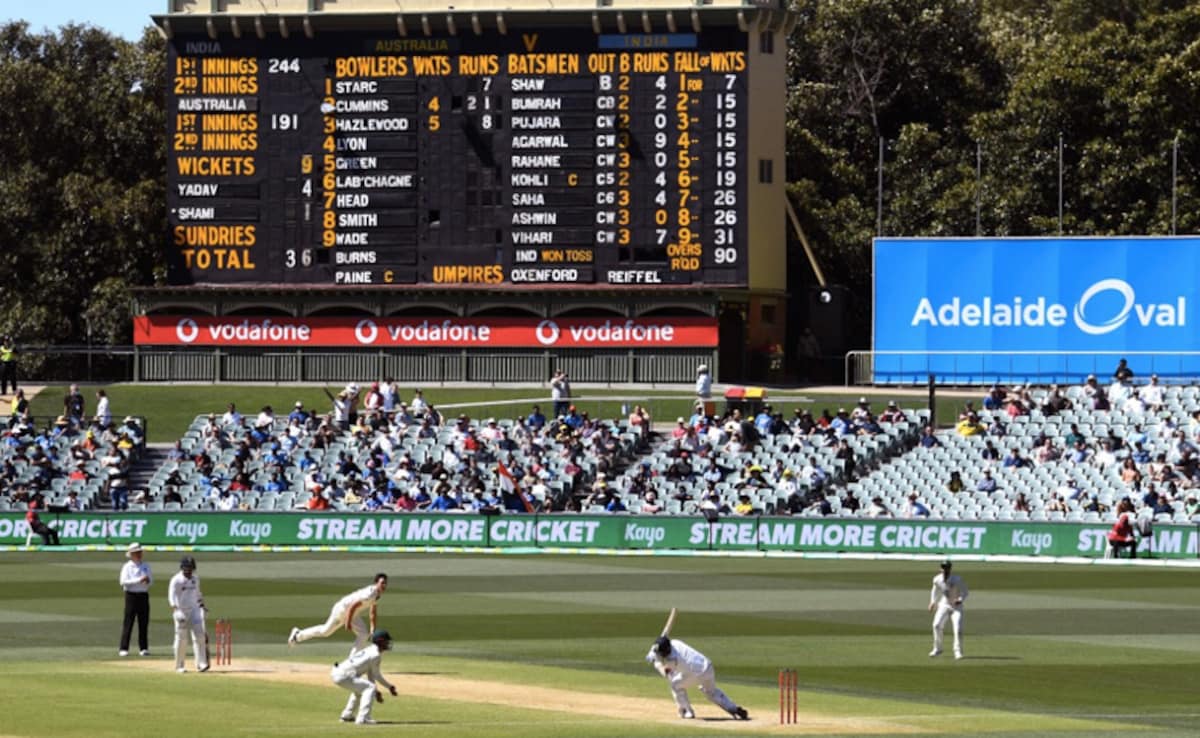
The highly anticipated India vs. Australia second Test match, a day-night affair set to commence in Adelaide on Friday, faces a potential weather-related setback. Forecasts predict thunderstorms, an unusual occurrence for Adelaide during this time of year, casting doubt on the possibility of uninterrupted play on the opening day. This presents a significant challenge, especially considering India's past experience with pink-ball cricket in Australia, where they were famously dismissed for a paltry 36 runs at the same venue in 2020. However, Adelaide pitch curator Damian Hough has attempted to alleviate concerns, stating that the pitch itself wasn't to blame for that disastrous innings. He maintains that the challenging conditions, rather than any inherent flaw in the pitch, were the primary contributing factor to India's poor performance.
Hough's perspective emphasizes the crucial role weather plays in influencing the behavior of the pink ball. He explicitly refutes the notion that the pitch itself is responsible for the unpredictable movement often observed during these matches. According to Hough, the unpredictable swing of the pink ball is primarily attributed to favorable weather conditions. He referenced the 2020 Test match, highlighting that the swift conclusion within three days was due to exceptional bowling by the Australian team, not the pitch's characteristics. This assertion underscores the significant impact of external factors, particularly weather patterns, on the overall gameplay and outcome of the match.
The unique challenges posed by pink-ball cricket under twilight conditions are a widely acknowledged aspect of the game. Hough, while lacking specific player feedback, confirms the prevalent understanding that twilight sessions present the most difficulties for batsmen. This difficulty is largely attributed to the changing light conditions and the increased movement of the ball. The experience of batsmen under lights, especially with a new ball in play or following a declaration, tends to be significantly more challenging. He observes that it takes time for batsmen to adjust to the conditions, and having established batsmen at the crease eases this adjustment considerably. The ball itself, a Kookaburra, has also undergone substantial development to mitigate some of the challenges for the batsmen. Hough acknowledges these advancements but emphasizes his own focus on pitch preparation, leaving the complexities of ball dynamics to others. This division of expertise highlights the multifaceted nature of the game, where different specialists contribute to the overall dynamics of the match.
The looming threat of thunderstorms adds another layer of complexity to the already intricate challenges of a day-night Test. The uncertainty surrounding the weather necessitates a flexible approach from both teams and the match officials. The potential for delays and interruptions could significantly impact the game's flow and potentially alter strategic planning. The possibility of reduced playing time on the first day could favor the bowling team, giving them an early advantage and potentially shaping the course of the entire match. Conversely, if the weather clears as predicted, the match could progress smoothly, offering a more balanced contest between bat and ball. The impact of the weather on the pink ball itself is crucial, as its unpredictable swing could dramatically influence batting strategies and make scoring runs a significantly more difficult task.
In conclusion, the upcoming India vs. Australia Test in Adelaide presents a fascinating interplay of factors, with the weather emerging as a potentially dominant force. While the pitch curator strives to create ideal playing conditions, the volatile weather forecast introduces an element of unpredictability that could significantly shape the match's narrative. The experience of the past and the inherent difficulties of playing with the pink ball under varying light conditions combine to create a compelling setting for a highly anticipated and potentially dramatic encounter between two cricketing giants. The outcome will undoubtedly depend on a complex interaction of skill, strategy, and the vagaries of the weather. The anticipation surrounding this match is high, and the potential impact of the weather adds to its already captivating nature.
Source: India vs Australia 2nd Test Day 1 Under Threat? Adelaide Pitch Curator Says, "We're Expecting..."