
 |
|
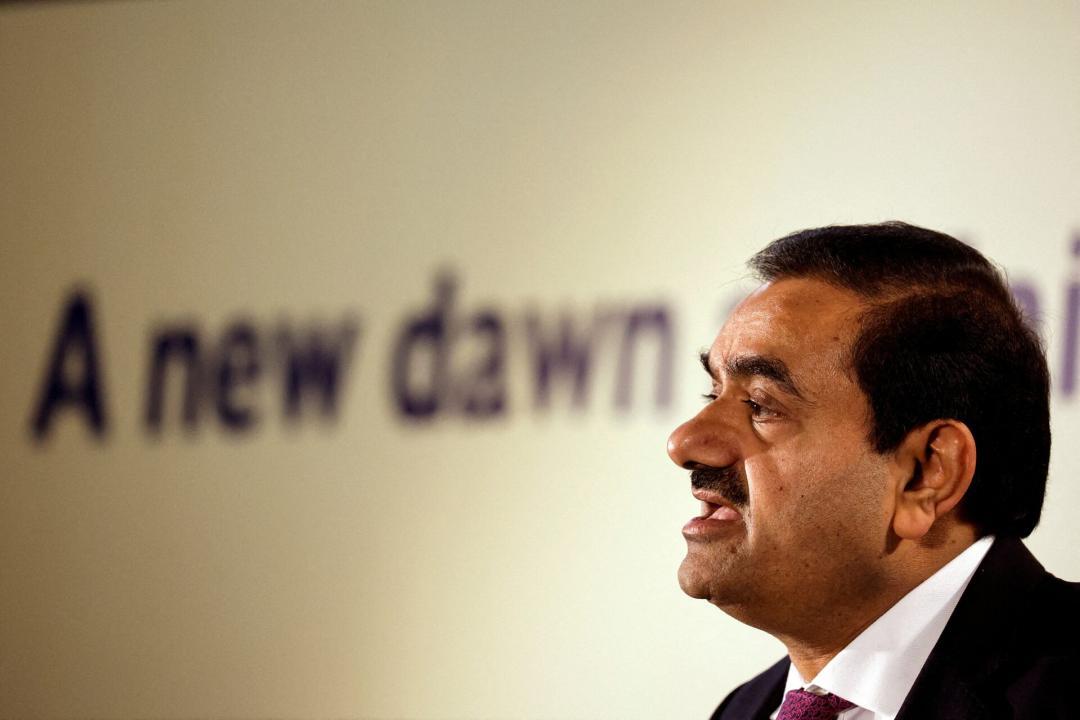
The fluctuating fortunes of the Adani Group's shares on Monday offer a compelling case study in the volatility of the stock market, particularly when confronted with significant allegations of wrongdoing. The initial surge of up to 10% in Adani Green shares, following Gautam Adani's address on Saturday concerning allegations of bribery and fraud in the United States, demonstrated the immediate impact of a public statement attempting to mitigate reputational damage. However, the subsequent reversal and eventual trading in the red highlights the fragility of investor confidence and the significant challenges the conglomerate currently faces. This rapid shift underscores the importance of considering multiple factors – not just short-term public relations efforts – when assessing the long-term prospects of a company. The situation also emphasizes the heightened scrutiny placed upon large conglomerates and the powerful influence of news and media narratives on market sentiment.
Gautam Adani's address, while intended to reassure investors, did not fully quell concerns surrounding the serious allegations. The precise nature of the allegations, and the extent of any investigation by US authorities, remains unclear to the public. However, the market reacted negatively to the sustained uncertainty, emphasizing investor nervousness regarding the potential for long-term consequences. This response highlights the critical role of transparency and clear communication in maintaining investor confidence, particularly in times of crisis. A failure to address concerns directly and comprehensively can exacerbate market volatility and lead to significant financial losses for the company and its shareholders. The speed with which the initial gains were reversed suggests a market that is highly sensitive to news and remains skeptical of assurances until concrete evidence of resolutions emerges.
The Adani Group's experience provides a valuable lesson in crisis management for large corporations. The immediate impact of positive messaging is evident, but the sustained success of any such efforts hinges upon addressing the underlying issues effectively and transparently. The company's future will likely depend not only on its ability to navigate legal challenges but also on its capability to rebuild and maintain trust with investors. This necessitates a strategic communication plan that goes beyond simple press releases and engages constructively with concerns raised by the public, regulators, and investors alike. This case also underlines the interconnectedness of global markets and the far-reaching impact of allegations, particularly when they involve influential figures and large conglomerates with international operations. The interconnected nature of global finance ensures that news affecting one market can quickly influence others, demonstrating the need for proactive and comprehensive crisis management strategies.
Furthermore, the episode raises important questions about corporate governance and accountability. The level of transparency and disclosure surrounding the alleged activities, and the subsequent responses, will be subject to close scrutiny not only by investors and regulators, but also by the public. The long-term consequences will likely involve significant legal battles and a potential reassessment of the company’s corporate strategy. The actions taken by the Adani Group in the coming weeks and months will be closely monitored as a benchmark for how other large corporations navigate similar challenges. Ultimately, the Adani Group's experience is a reminder of the significant risks inherent in large-scale business operations and the importance of prioritizing ethical conduct and transparency above all else.
The ongoing saga serves as a cautionary tale for investors and corporate leaders alike. It emphasizes the importance of diversified portfolios, thorough due diligence, and a vigilant approach to risk assessment. The unpredictable nature of market reactions in the face of negative news highlights the need for robust risk mitigation strategies and a deep understanding of the potential consequences of allegations involving bribery and fraud. The case of the Adani Group is likely to be studied for years to come as a prime example of the intersection of corporate governance, international relations, and the complex dynamics of global capital markets. The long-term impact on the Adani Group, and the lessons learned from this experience, remain to be seen, but the immediate market volatility underscores the immense weight of accusations of financial impropriety.
The story also highlights the power of media narratives and the swift dissemination of information in today's digitally connected world. The rapid spread of news and analysis across various platforms significantly shapes market sentiment, reinforcing the necessity for proactive and strategic communication in managing public perception during times of crisis. Future research will likely delve deeper into the psychological and economic factors influencing investor behavior in situations like this, further illuminating the intricacies of market dynamics and the vital role of public trust in the stability of global financial systems. The unpredictable nature of market forces, coupled with the complexities of international legal frameworks, makes the Adani Group's situation a significant and ongoing event that warrants ongoing attention and analysis.