
 |
|
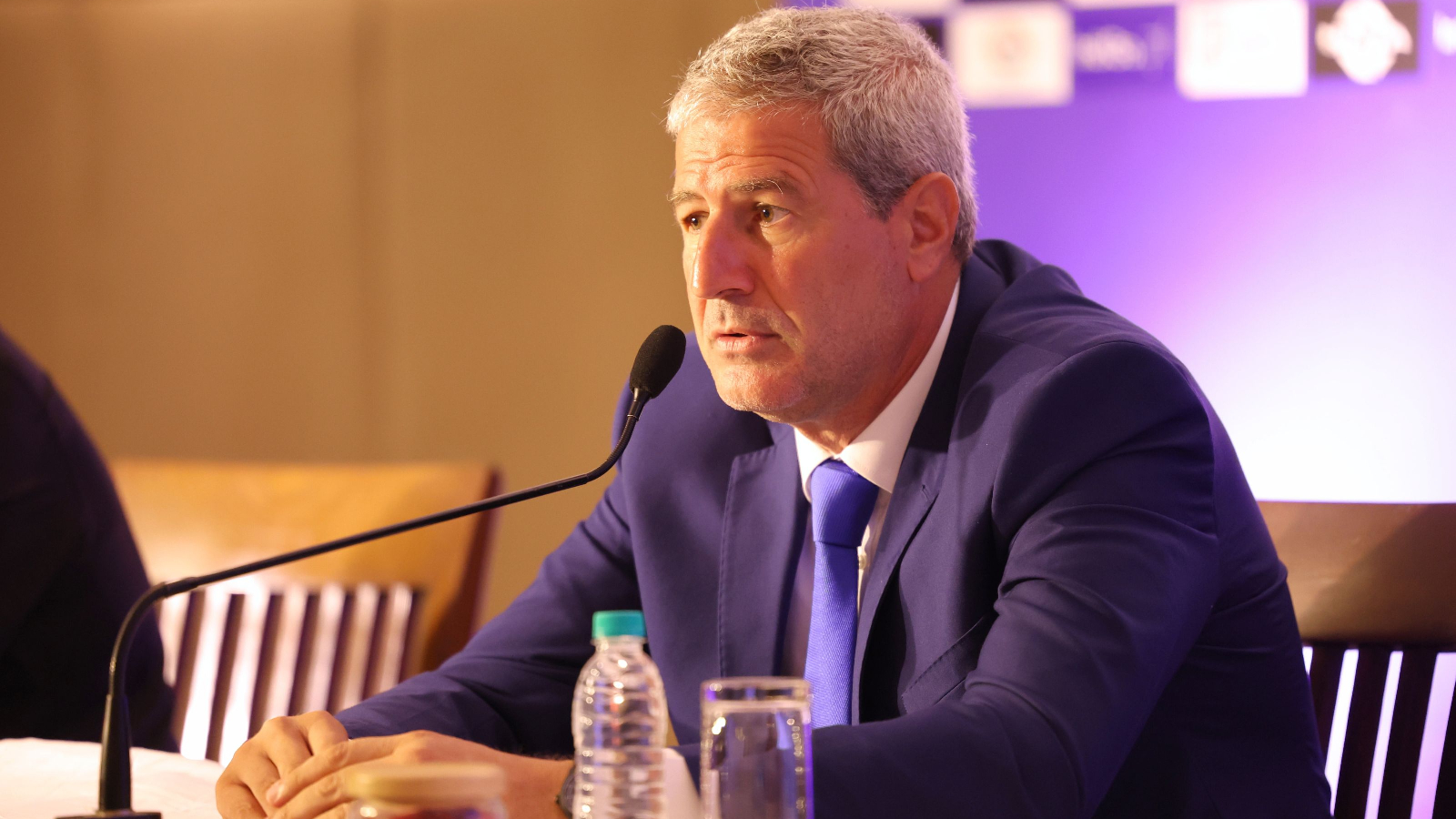
Manolo Marquez, the newly appointed head coach of the Indian national football team, faces a daunting task as he embarks on a rebuilding process following the team's disappointing performance in the World Cup qualifiers. With just two training sessions before his first matches against Mauritius and Syria, Marquez is confronted with a squad that falls short of Asian standards in terms of physicality, tactical awareness, and goal-scoring prowess. This challenging start to his tenure highlights the deep-rooted issues that plague Indian football and the immense pressure on Marquez to turn the tide.
The lack of physicality and tactical acumen within the Indian team is a significant concern. The team's recent struggles, including their loss to Afghanistan in the World Cup qualifiers, expose their inability to compete at a higher level. The shortcomings are evident in their inability to maintain possession, their sluggish pace, and their lack of creativity in attack. These deficiencies have been a persistent problem for the Indian national team for years, and Marquez is tasked with addressing them in a limited time frame.
Another crucial issue facing Marquez is the search for a reliable goalscorer. While the nation has celebrated the likes of IM Vijayan, Bhaichung Bhutia, and the recently retired Sunil Chhetri, finding a successor to carry the goal-scoring burden has proven to be a major challenge. The Indian Super League (ISL), the top league in the country, has a history of prioritizing foreign players over Indian talent, particularly in crucial positions like striker, central midfielder, and central defender. This limited playing time for young Indian players has hindered their development and directly contributed to the national team's struggle for goals.
Marquez acknowledges the team's shortcomings and has a plan to address them. He believes that building a team that functions collectively as a goal-scoring unit is more important than finding an individual striker who might not live up to the expectations. This approach focuses on developing a cohesive style of play that emphasizes teamwork and attacking fluidity. The upcoming friendlies against Mauritius and Syria provide a platform for Marquez to implement his vision and begin to establish a playing philosophy that suits the team's strengths and addresses its weaknesses.
The challenges ahead are immense, but Marquez is determined to make a difference. He understands that the rebuilding process will be long and arduous, but he is committed to laying the foundation for a stronger and more competitive Indian national team. His experience as a successful club coach in the ISL provides valuable insight into the Indian domestic scene, and his ability to work with young players could be crucial in developing a future generation of talented footballers. Only time will tell if Marquez can overcome the obstacles and guide India towards a brighter future on the international stage.