
 |
|
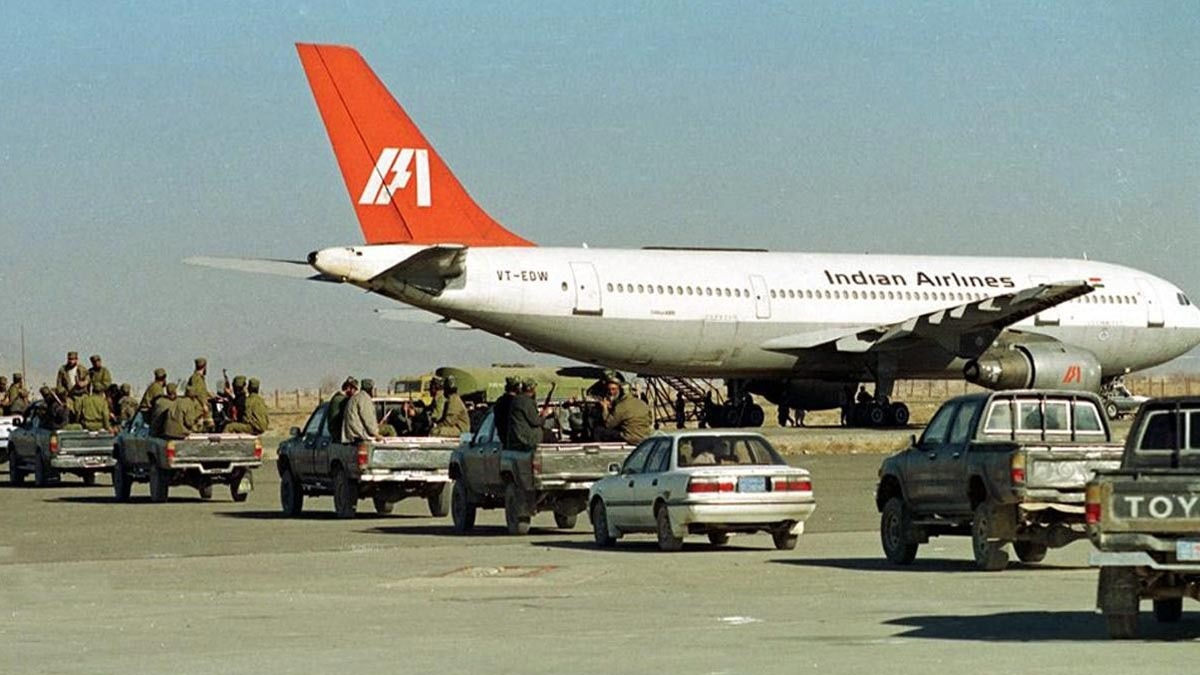
The 1999 hijacking of Indian Airlines flight IC-814 remains a chilling episode in India's history, highlighting the complexities of regional terrorism and the role of foreign intelligence agencies. This incident, meticulously detailed in a statement by then Home Minister LK Advani, reveals a coordinated operation orchestrated by the Pakistani intelligence agency, ISI, with active support from the Harkat-ul-Ansar (HuA), a militant group based in Pakistan. The narrative underscores the intricate web of connections, both within Pakistan and across borders, which enabled the hijackers to execute their plan.
The hijacking, which began in Kathmandu, Nepal, saw five Pakistani nationals seize control of the aircraft and demand the release of 36 prisoners, a significant majority of whom were Pakistani nationals. The hijackers, operating under Hindu codenames like 'Chief,' 'Doctor,' and 'Burger,' were carefully chosen and trained to blend into the environment. Their meticulous planning included multiple trips to Kathmandu by both the hijackers and their support network in Mumbai. This network, consisting of four HuA operatives, was based in Mumbai and provided crucial logistical assistance, including communication and even arranging for the hijackers to travel to Kathmandu. The arrest of these four operatives, including Abdul Latif, a Mumbai native who had been recruited by the ISI, confirmed the agency's direct involvement in the hijacking.
The hijackers' communication with their Mumbai associates, coupled with the presence of a Pakistan Embassy car at the Kathmandu airport before the hijacking, further strengthens the evidence against Pakistan's role. The Embassy car, which carried three officials including one believed to have supplied RDX explosives to militants in Kathmandu in the past, was a sign of the potential for coordination between the ISI and diplomatic personnel. The hijackers' initial directive to fly the plane to Lahore, and the subsequent cooperation from Pakistani air traffic control (ATC) in refueling the aircraft, highlight the degree to which the Pakistani government was involved in facilitating the hijacking. This episode underscores the dangers of state-sponsored terrorism and the need for international cooperation to combat such threats. The IC-814 hijacking serves as a stark reminder of the devastating consequences of unchecked terrorist activities and the intricate connections that can exist between rogue states and militant groups.