
 |
|
Deepika Padukone, a prominent Bollywood actress, has once again proven her resilience against online negativity. Following the announcement of her pregnancy with husband Ranveer Singh, she faced relentless scrutiny and speculation from internet trolls who doubted her pregnancy. This barrage of negative comments, fueled by anonymity and a thirst for celebrity gossip, highlights the dark side of online culture and the vulnerability faced by public figures, especially women.
The online chatter surrounding Padukone's pregnancy reached a fever pitch when she appeared at the BAFTA awards in a midriff-covering sari. The choice of attire triggered a wave of speculation, with some claiming she was faking her pregnancy and even using a prosthetic belly. Despite the couple's public announcement and subsequent appearances, the trolls persisted, making accusations of surrogacy and casting doubt on her genuine pregnancy simply because she wore heels at an event. This demonstrates the alarming extent to which online negativity can escalate, fueled by unfounded claims and fueled by a desire to denigrate and discredit.
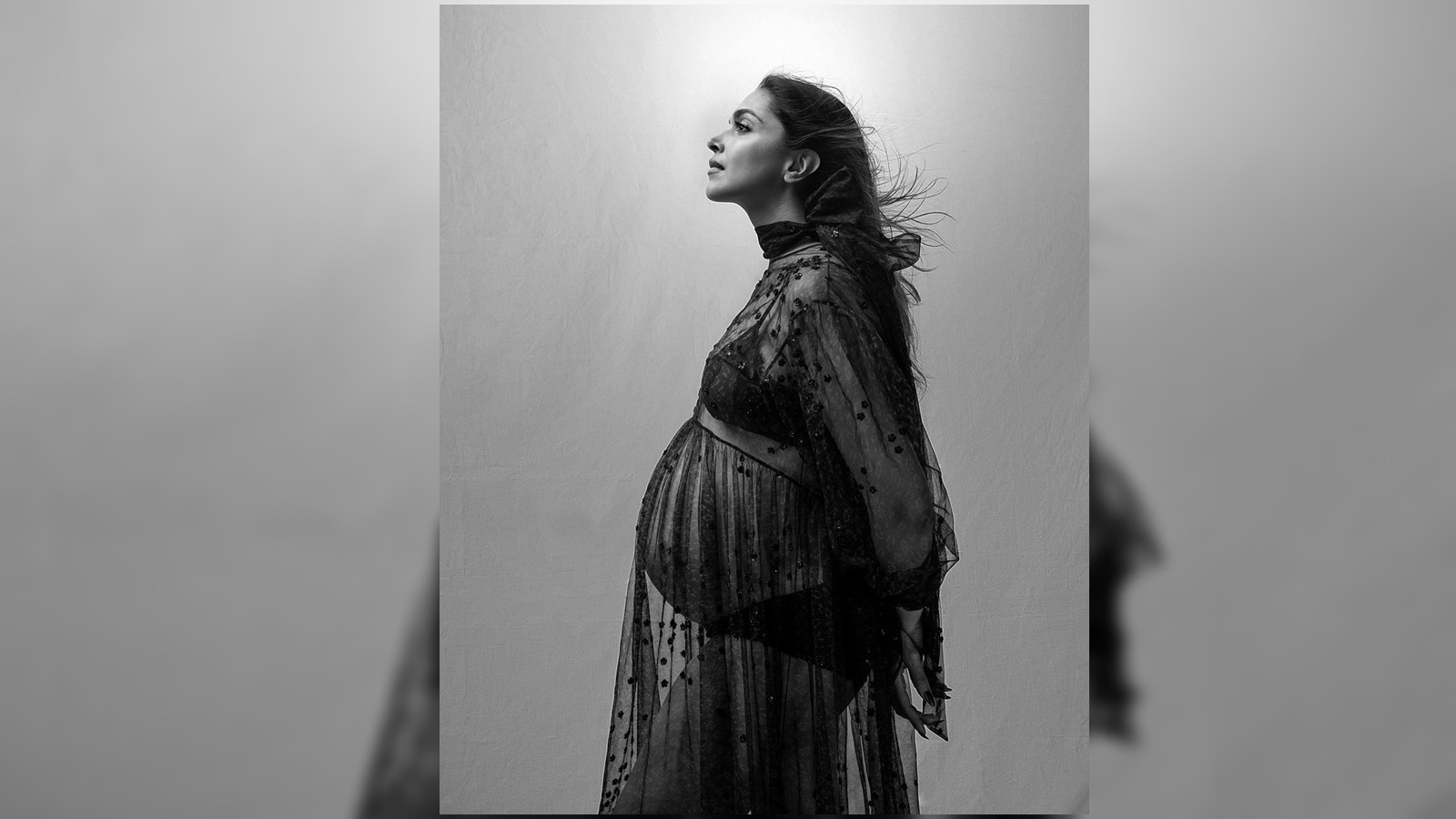
Padukone's recent photoshoot, showcasing her pregnancy in elegant and glamorous style, served as a powerful counter to the online trolls. The images, capturing the joy and beauty of her pregnancy, effectively silenced the doubters and showcased her strength and confidence in the face of relentless negativity. This incident raises crucial questions about online accountability and the need for platforms to address toxic behavior. While celebrities may be accustomed to public scrutiny, the relentless nature of online trolling often crosses the line into harassment and can have detrimental effects on mental health. This incident underscores the need for increased awareness and stricter measures to combat online negativity and protect individuals, especially women, from the damaging effects of online harassment.
The widespread criticism faced by Padukone highlights a broader issue of online abuse directed at celebrities, particularly women. Women are often subjected to body shaming, criticism of their clothing choices, and invasive inquiries into their personal lives. This online harassment, often driven by misogyny and fueled by anonymity, can have a devastating impact on mental well-being and career. It's important to recognize that behind the glamorous facade, celebrities are human beings susceptible to the same emotions and vulnerability as anyone else. While they may have chosen a life in the public eye, it does not give anyone the right to engage in malicious behavior that can damage their mental health and reputation.
The incident also underscores the need for a more responsible approach to celebrity culture and the consumption of online content. While celebrities may be subject to public scrutiny, it is imperative to cultivate a culture of respect and understanding. The internet has become a breeding ground for negativity and hurtful comments, and it is crucial to foster a sense of accountability and ethical engagement. This requires a collective effort from individuals, platforms, and society at large to promote a more humane and empathetic online environment where individuals, especially women, are not subjected to unnecessary scrutiny and abuse.
Source: With elegance and glamour: How Deepika Padukone has shut down those who doubted her pregnancy