
 |
|
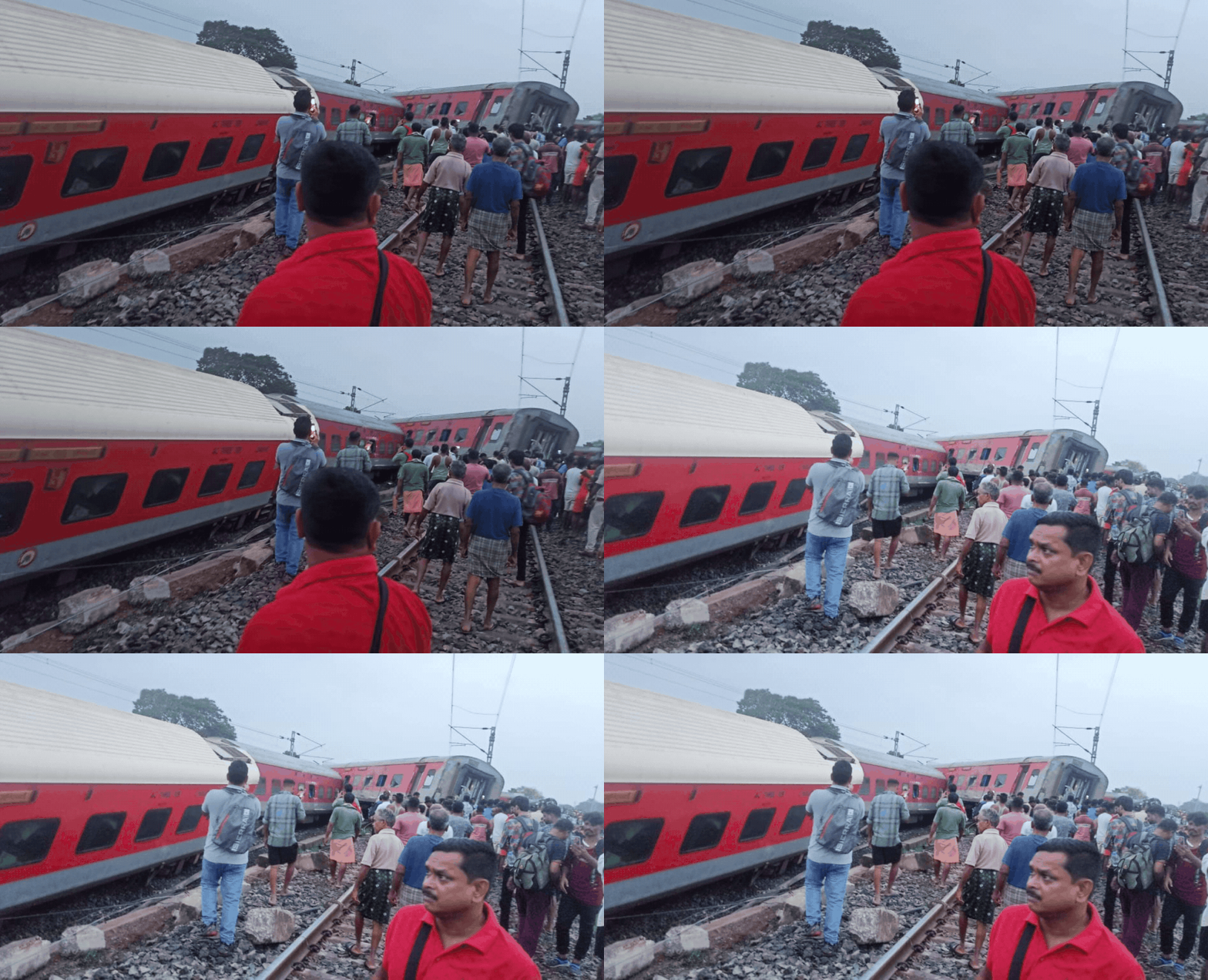
A recent train accident in Tatanagar, India, has sparked concerns about safety and the pressure faced by train pilots. The 12810 Howrah-Mumbai mail train was involved in the incident, and passenger groups are pointing fingers at the train's late arrival as a possible contributing factor. The train was expected to reach Tatanagar at 11 pm on Monday, but arrived three hours late. This delay, according to Shesh Nath Pathak of the Jamshedpur Passengers Association, led to a rushed departure from Tatanagar, ultimately contributing to the accident. Pathak suggests that the train's pilot may have been speeding the locomotive to make up for the lost time.
Suresh Sonthlia, a former official of the Zonal Railway Passengers Association, corroborates this theory. He points out the immense pressure faced by both passenger and goods train pilots to meet their deadlines. While acknowledging that investigations are underway to determine the exact cause of the accident, Sonthlia emphasizes the psychological strain on pilots to adhere to schedules. This pressure, he argues, could have been a contributing factor in the incident.
The accident raises critical questions about railway safety and the well-being of train personnel. The potential for pilots to succumb to the pressure of making up for lost time is a significant concern. It highlights the need for a thorough investigation into the accident, focusing not only on technical factors but also on the psychological impact of demanding deadlines on pilots. Ultimately, prioritizing safety over strict adherence to timetables is crucial to prevent future tragedies. The incident also serves as a reminder of the importance of addressing the pressures faced by train pilots, ensuring that they are adequately supported and equipped to manage the demands of their job.
Source: Bid to make up for late arrival at Tatanagar could have led to crash: Passenger groups