
 |
|
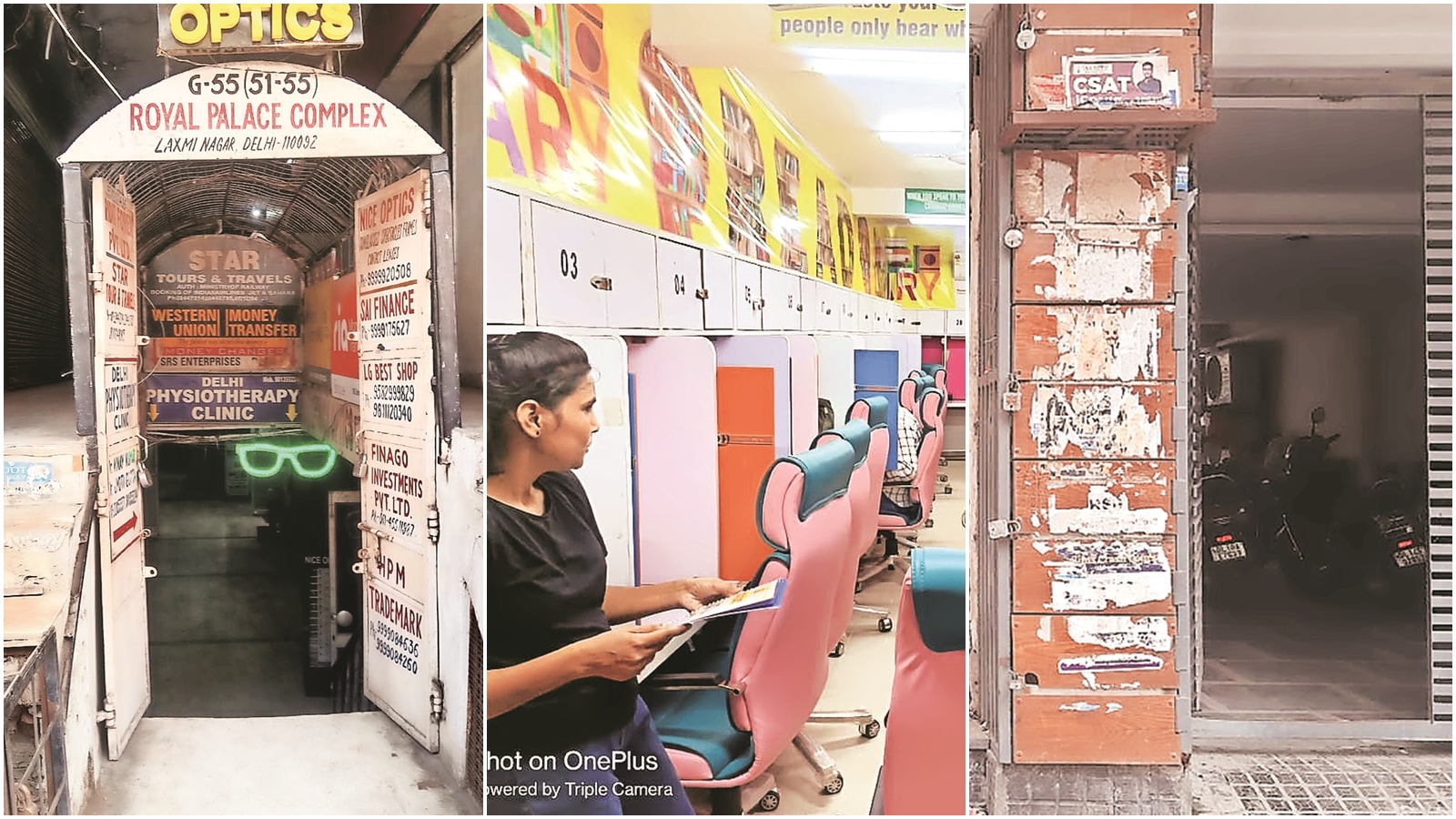
The recent drowning of three UPSC aspirants in a flooded basement in Delhi has brought to light the precarious situation of numerous businesses operating out of basements across the city. These underground spaces, often favored for their cheaper rents, provide a haven for libraries, gyms, restaurants, bars, and even offices, despite potential safety hazards and violations of building regulations. The incident at Rau’s IAS Study Circle in Old Rajinder Nagar has sparked widespread fear and closure of many such establishments, particularly libraries and coaching centers, as authorities begin to scrutinize their operations.
The tragedy has exposed the systemic issues surrounding the use of basements for commercial purposes. While the Delhi Master Plan 2021 conditionally permits certain commercial activities in basements, requiring clearance from the MCD, fire NOCs, and adherence to building by-laws, the reality on the ground suggests a lax approach to enforcement. This laxity has fostered an environment where basement businesses flourish, often at the expense of safety and proper infrastructure. The case of Rau’s IAS Study Circle, where the building plan only permitted parking and storage, highlights the disregard for regulatory guidelines.
The immediate aftermath of the tragedy has resulted in a surge of anxiety and disruption for students and businesses alike. Libraries, particularly those not located in basements, have seen a sudden increase in prices, further straining the already precarious financial situations of many students. The closure of basement libraries and coaching centers has forced students to scramble for alternative study spaces, exacerbating the pressure and uncertainty surrounding their exam preparations. The incident has underscored the vulnerability of those relying on these basement facilities and the urgent need for a comprehensive review of safety measures.
The article paints a stark picture of Delhi's basement economy, highlighting the economic incentives that drive businesses to operate in these spaces. However, it also delves into the potential risks associated with these practices. The tragedy in Old Rajinder Nagar has served as a wake-up call, prompting authorities to address the lack of oversight and enforce stricter regulations to ensure the safety of both businesses and the public. The future of Delhi's basement economy hangs in the balance, as the city grapples with the consequences of a tragedy that has exposed the vulnerabilities of this often overlooked sector.
Source: Offices, gyms, bars, and libraries — several businesses work out of Delhi’s basements. Here’s why